
PARTS

  • Pod Parts

    Pod Parts (18)

    View Sub-Category

  • Replacement Glass

    Replacement Glass (19)

    View Sub-Category
  • PARTS

      PARTS

    • Pod Parts

      Pod Parts (18)

      View Sub-Category
    • Replacement Glass

      Replacement Glass (19)

      View Sub-Category

    Choosing a beginner vape kit

    Vape Starter Kits, in Minnesota and Beyond

    The best eCig, Box Mods and Vape Starter kits are just around the corner, or a short ship time away. If you are looking to purchase the best beginner vape kit for your dollar.

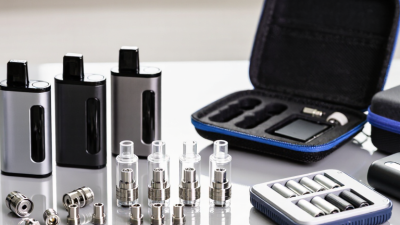
    Things often included in beginner vape kits, you might want to watch for.

    • Battery, or multiple batteries.
    • Clearomizer tanks
    • Replacement Coils
    • USB Charging Cable
    • AC Power Adapter
    • Free bottle of juice, or multiple
    • Blunt Needle tips
    Other things that might happen to be in a kit, will depend on the kind of device it's focusing on. Variable voltage devices, and more Intermediate starter kits, Sub-Ohm Kits may come with more serious attachments and add-ons.

    The key is to find the right balance between value and price.

    Of course you don't want to skimp, and have to re-buy a kit, but you do always have the opportunity to buy a more premium kit if you find you've graduated from past vape set-up. Things to think about as you choose, are whether the system will work other systems. - Some threading is specific to the brand and won't work with other devices, when you're looking at reviews check the source and make sure to weigh several reviews against each other and make an educated decision. Thanks for making Ecig Market your choice for Beginner Vape Kits in Brooklyn Center, Minnesota.

    What Are the Top Vapor Market Trends for Buyers in 2026?

    By 2026, buyers in the vapor market will compare more than flavor and price. Product consistency, clear ingredient information, dependable device performance, and accessible customer support will matter at the point of purchase. A polished package is not proof. Details matter.

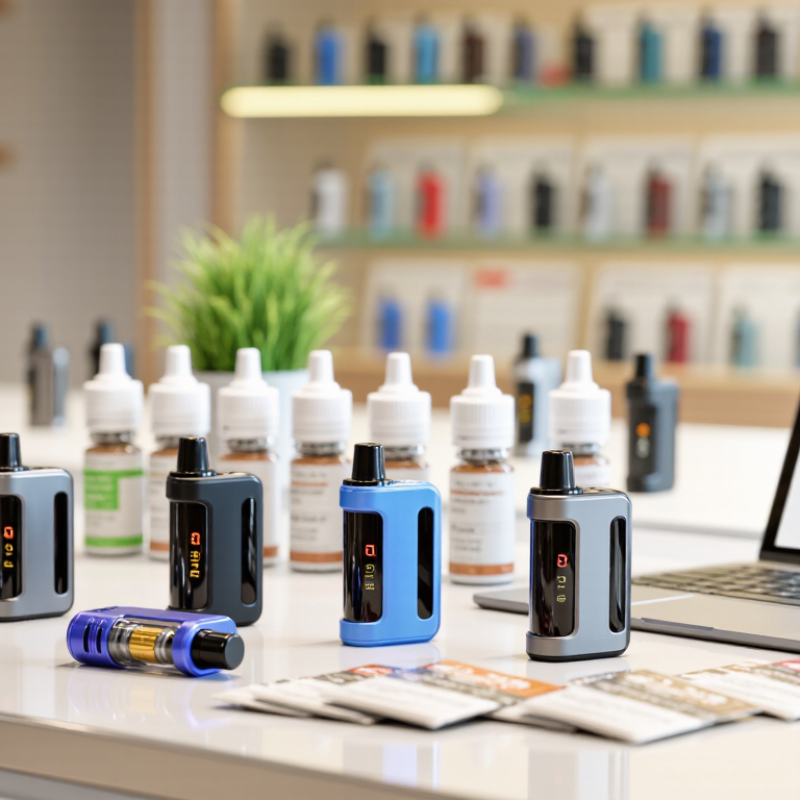
    This introduction examines trends that may shape careful buying decisions: transparent product information, practical design, quality controls, and more deliberate value comparisons. Buyers may also pay closer attention to battery life, refill availability, warranty terms, and how clearly brands explain product limitations. A small screen, sealed package, or sleek finish can look reassuring, yet none replaces published specifications or clear support terms. These are useful purchasing signals, not guarantees of future growth. Market conditions can shift, and trend forecasts deserve scrutiny.

    Public-health researcher Dr. Michael Siegel has written extensively about e-cigarettes and risk communication. A fair paraphrase of his evidence-focused commentary is: “Judge health claims by evidence, not by marketing.” That distinction matters when brands make broad promises. Buyers should seek verifiable specifications and credible quality information, rather than assuming newer means better.

    The sections ahead consider what these shifts could mean for shoppers, retailers, and manufacturers in 2026. They separate practical signals from hype. Not every emerging feature will prove useful, and some predictions will miss. A cautious buyer can compare products, check current manufacturer information, and favor transparent claims. That is a more reliable way to read the vapor market than chasing every new launch.
    What Are the Top Vapor Market Trends for Buyers in 2026?

    Size the Market: Grand View Research Valued Vapes at $28.2B in 2023

    Grand View Research valued the global e-cigarette and vape market at $28.2 billion in 2023. Its report forecasts a 30.6% compound annual growth rate from 2024 to 2030. That figure gives buyers a sense of the market’s scale, not a guarantee of future sales. Definitions matter. Research firms may include different devices, channels, and regions in their calculations.

    Allied Market Research estimated the global e-cigarette market at $22.4 billion in 2022 and projected $56.3 billion by 2032. Its forecast implies a slower growth path than Grand View Research’s. The gap is worth noting: market estimates are not directly interchangeable. For buyers planning 2026 inventory, check each report’s product scope and forecast period before comparing figures.

    Large forecasts can make rapid expansion seem certain. It isn’t. Buyers should also watch practical signals: repeat orders, stock turnover, and the mix of device formats customers actually choose. A crowded shelf is easy to create. Reliable demand takes longer to prove. Treat the $28.2 billion estimate as context, then test purchasing decisions against local sales records and supplier lead times.

    Gauge Demand: WHO Estimates 100M+ E-Cigarette Users Worldwide

    WHO estimates that more than 100 million people worldwide use e-cigarettes. That figure signals a substantial user base, but it is not a count of people ready to buy in 2026. Buyers should distinguish reported use from sales forecasts. The difference matters.

    For retailers and adult consumers, the estimate points to varied preferences, not one uniform market. Demand may depend on local rules, product availability, and consumer priorities. People comparing products can look for clear ingredient information, consistent manufacturing details, and straightforward usage instructions. Trust is practical. It is visible on a label, not just in an advertisement.

    The estimate also deserves caution: global figures combine regions with different survey methods and reporting periods. A number can look exact while hiding uncertainty. WHO has also raised concerns about youth access, so responsible market planning should include effective age safeguards and careful retail practices. Waste is another concrete issue; used devices and batteries need appropriate disposal. These details are easy to overlook. They should not be. For buyers assessing 2026 trends, reliable evidence and transparent product information offer a firmer basis than headline user totals.

    Compare Formats: CDC Data Put U.S. Disposable Sales at 51% by Late 2022

    For buyers tracking 2026 vapor-market shifts, format mix is more revealing than headlines. A 2023 CDC MMWR report, “E-cigarette Unit Sales by Product and Flavor in the United States, 2019–2022,” found disposable products rose from 24.7% of U.S. e-cigarette unit sales in January 2020 to 51.0% in December 2022. That is a share of units sold—not users, revenue, or every purchase channel. The scanner data exclude some sales channels, so they offer a strong signal, not a complete census. That distinction matters.

    The same report found cartridge-based products’ unit share fell from 75.2% to 48.0% over that period. When comparing formats, buyers can weigh convenience against ongoing device costs, waste, and access to compatible components. Check unit price and product specifications; a format is not automatically cheaper. Disposable sales may have shifted since the measured period, which ends in 2022. A local shelf may also look different from national data. Useful, but incomplete.

    Check Legal Availability: FDA’s Authorized E-Cigarette Product List

    For buyers in 2026, legal availability deserves a place on the checklist beside price and device compatibility. In the United States, consult the FDA’s current authorized e-cigarette product list before relying on a shelf label or online description. Check the exact product, not just its general category. Authorization can apply to specific products and does not automatically cover similar-looking devices or liquids.

    Details matter. Compare the product name and type with the FDA entry, and confirm that the listing is current. The agency’s database and updates are more dependable than a retailer’s claim, though checking them takes extra time. A marketing authorization is not a safety endorsement, and it does not mean vaping is risk-free. Keep that distinction clear.

    Rules can also differ by state, locality, and country, and they may change. A product appearing on the federal list does not settle every local requirement. Buyers should check applicable local rules and ask retailers for clear product documentation. Small print counts. If an item’s identity or authorization status is unclear, pause and verify it rather than guessing. No checklist removes all uncertainty, but careful verification can prevent avoidable mistakes.

    Assess Growth: Grand View Research Forecasts a 30.6% CAGR Through 2030

    Grand View Research forecasts a 30.6% compound annual growth rate for the vapor market through 2030. That is a strong signal, not a promise of equal gains across every product category or region. CAGR smooths growth over time. It does not reveal seasonal swings, price pressure, or uneven adoption. Before using the figure in purchasing plans, buyers should check the report’s market definition, base year, and geographic coverage. Those details matter.

    For procurement teams, projected growth raises practical questions: Can suppliers maintain consistent output and document material specifications? Can they replace components reliably? Ask for batch-level quality records, battery safety documentation, and clear warranty terms before increasing order volumes. Compare the Grand View Research forecast with current retail and distribution data; reports may count different products or sales channels. Track sell-through, not just shipments, and keep reorder points flexible. A crowded shelf is expensive. Forecasts can be wrong, too, so test smaller orders before committing to a large inventory.