PARTS

  • Pod Parts

    Pod Parts (18)

    View Sub-Category

  • Replacement Glass

    Replacement Glass (19)

    View Sub-Category
  • PARTS

      PARTS

    • Pod Parts

      Pod Parts (18)

      View Sub-Category
    • Replacement Glass

      Replacement Glass (19)

      View Sub-Category

    Choosing a beginner vape kit

    Vape Starter Kits, in Minnesota and Beyond

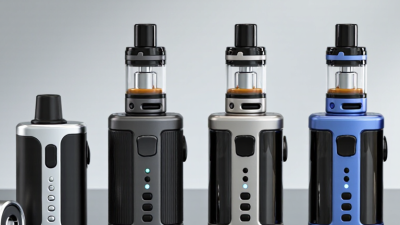
    The best eCig, Box Mods and Vape Starter kits are just around the corner, or a short ship time away. If you are looking to purchase the best beginner vape kit for your dollar.

    Things often included in beginner vape kits, you might want to watch for.

    • Battery, or multiple batteries.
    • Clearomizer tanks
    • Replacement Coils
    • USB Charging Cable
    • AC Power Adapter
    • Free bottle of juice, or multiple
    • Blunt Needle tips
    Other things that might happen to be in a kit, will depend on the kind of device it's focusing on. Variable voltage devices, and more Intermediate starter kits, Sub-Ohm Kits may come with more serious attachments and add-ons.

    The key is to find the right balance between value and price.

    Of course you don't want to skimp, and have to re-buy a kit, but you do always have the opportunity to buy a more premium kit if you find you've graduated from past vape set-up. Things to think about as you choose, are whether the system will work other systems. - Some threading is specific to the brand and won't work with other devices, when you're looking at reviews check the source and make sure to weigh several reviews against each other and make an educated decision. Thanks for making Ecig Market your choice for Beginner Vape Kits in Brooklyn Center, Minnesota.

    2026 Best Vaping Alternatives for Global Buyers

    The 2026 Best Vaping Alternatives for Global Buyers guide examines safer, lawful choices for adults seeking to move away from conventional vaping. Markets differ sharply. Product standards, nicotine limits, labeling rules, and import requirements can change by country.

    Dr. Konstantinos Farsalinos, a cardiologist and tobacco-harm-reduction researcher, has stated, “Vaping is not harmless, but it is by far less harmful than smoking.” This warning deserves careful attention. No inhaled product should be presented as risk-free. The practical question is often different: which regulated alternative may reduce exposure while supporting a realistic transition?

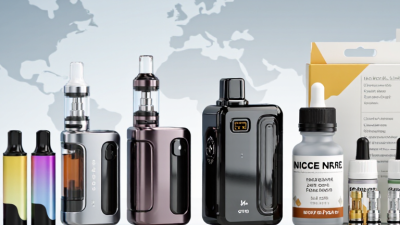
    Options may include medically approved nicotine patches, gum, lozenges, and other nicotine-replacement products. Some adults may also consider nicotine-free devices, provided local rules permit them. A pharmacy shelf can offer useful clues: clear dosage labels, sealed packaging, manufacturer details, and readable safety instructions. Cheap products with vague ingredients deserve caution.

    Our vaping best comparison focuses on legality, quality control, user experience, and evidence rather than flashy claims. It considers battery safety, ingredient transparency, independent testing, and after-sales support. These details matter when ordering across borders.

    The choices are not perfect.

    A product that works for one adult may fail for another. Some alternatives may also maintain dependence, which should not be ignored. Buyers should check national regulations, consult qualified health professionals, and avoid all nicotine products if they are underage, pregnant, or nicotine-naïve. This guide aims to support informed decisions, not promote consumption. Data and regulations evolve, so readers should verify current requirements before purchasing.

    2026 Best Vaping Alternatives for Global Buyers

    Nicotine-Alternative Landscape in 2026: WHO’s 8+ Million Annual Deaths

    WHO estimates that tobacco use causes more than 8 million deaths each year. Around 1.3 million are non-smokers exposed to second-hand smoke. This figure changes how buyers should view nicotine alternatives. They are not lifestyle accessories. They are potential tools for reducing tobacco exposure or supporting cessation.

    For adult smokers, nicotine patches, gum, lozenges, and medically approved medicines may offer evidence-based options. These products avoid smoke, tar, and many toxic chemicals created by burning tobacco. Combining medication with counseling can improve quitting outcomes. A pharmacist or doctor can help match the option to dependence, health conditions, and daily routines. A morning patch and measured gum may be more practical than an inhaled product for some users.

    The details matter. Products should come from authorized sellers, with clear ingredients, dosage instructions, and safety warnings. Laws differ widely across countries, including rules for nicotine strength, imports, and online sales. Never assume a product is legal or suitable everywhere. Nicotine alternatives are not harmless, especially for young people, pregnant individuals, and non-smokers. The safest choice remains avoiding tobacco and nicotine entirely. Yet real behavior is messier. Some smokers need several attempts, and relapse does not erase progress. My own caution is simple: “lower risk” must never become “safe.”

    2026 Best Vaping Alternatives for Global Buyers — Nicotine-Alternative Landscape in 2026: WHO’s 8+ Million Annual Deaths
    Alternative or Approach Nicotine Included? Typical Format Evidence for Smoking Cessation Key Advantages Important Limitations and Safety Notes Global Buyer Considerations
    Nicotine replacement therapy (NRT) Yes Patch, gum, lozenge, oral spray, inhaler, or other locally authorized forms Strong evidence
    Using a long-acting form with a short-acting form can improve quit success compared with using one form alone.
    • Delivers nicotine without tobacco smoke.
    • Multiple dosage forms allow flexible use.
    • Often suitable for adults who smoke cigarettes.
    • Possible nausea, headache, mouth irritation, or skin irritation.
    • Correct use and dose selection are important.
    • Keep all products away from children and pets.
    Check whether each dosage form is legally sold, pharmacist supplied, or prescription-only in the destination country.
    Varenicline No; it is a non-nicotine prescription medicine Oral tablets Strong evidence
    It is among the most effective single medicines for tobacco cessation when appropriately prescribed.
    • Reduces nicotine cravings and withdrawal symptoms.
    • Does not expose users to nicotine.
    • Requires medical assessment and a prescription in many markets.
    • May cause nausea, sleep disturbance, or vivid dreams.
    • People with kidney disease or other medical conditions may need tailored advice.
    Availability, approved indications, and prescribing rules differ substantially by country; use only through a qualified clinician.
    Bupropion No; it is a non-nicotine prescription medicine Extended-release oral tablets Strong evidence
    Improves quit rates compared with placebo for many adult smokers.
    • Non-nicotine option.
    • May be useful for people who prefer a tablet-based treatment.
    • Not appropriate for people with a seizure disorder or certain eating disorders.
    • Can cause insomnia, dry mouth, or headache.
    • Requires screening for medicine interactions and contraindications.
    Prescription status and approved use vary by jurisdiction; medical supervision is essential.
    Cytisine No; it is a plant-derived, non-nicotine cessation medicine Oral tablets or tablets for short treatment courses, where authorized Moderate to strong evidence
    Clinical trials support its effectiveness, although access and national guidance remain uneven.
    • Non-nicotine option.
    • Usually designed for a time-limited quit program.
    • May cause nausea, dry mouth, abnormal dreams, or sleep problems.
    • Pregnant or breastfeeding people should seek professional advice before use.
    • Product quality and authorization must be verified carefully.
    Legal status, approved dosage schedules, and availability are highly country-specific; avoid unverified online sources.
    Behavioral counseling and quit support No Individual counseling, group programs, telephone support, text support, or digital programs Strong evidence
    Behavioral support improves cessation outcomes and works especially well when combined with medication.
    • No pharmacological side effects.
    • Can address triggers, stress, routines, and relapse risk.
    • May be available remotely across borders.
    • Quality varies between programs.
    • Requires time, follow-up, and personal engagement.
    Prefer services provided by trained health professionals or recognized public-health programs; confirm language and privacy arrangements.
    Nicotine pouches Usually yes Oral pouches placed between the lip and gum; no combustion and no inhaled aerosol Evidence developing
    They may reduce exposure to smoke for adults who switch completely, but they are not as well established as licensed cessation medicines.
    • No smoke and no inhalation.
    • Generally produces less environmental odor than combustible tobacco.
    • Can maintain nicotine dependence.
    • May cause gum irritation, mouth soreness, nausea, or increased heart rate.
    • Not suitable for non-users, young people, or pregnant people.
    • Accidental ingestion can seriously harm children.
    Regulation, nicotine strength limits, warning requirements, and import rules differ widely; not equivalent to a risk-free product.
    Heated tobacco products Yes; they contain tobacco Heated tobacco units that generate an aerosol rather than burning tobacco Limited cessation evidence
    They are not established as first-line cessation medicines.
    • May expose users to lower levels of some toxicants than combustible cigarettes when switching completely.
    • Produces no conventional tobacco smoke from combustion.
    • Still exposes users to nicotine and harmful chemicals.
    • Dual use with cigarettes can reduce potential harm reduction.
    • Not harmless and not recommended for people who do not use tobacco.
    Product authorization, taxation, advertising, and import restrictions vary; do not treat reduced exposure to some chemicals as proof of safety.
    E-cigarettes or vaping products Usually yes, although nicotine-free products also exist Battery-powered devices that heat a liquid to create an inhaled aerosol Evidence mixed and evolving
    Some studies indicate benefit for adult smokers who switch completely, while long-term health effects and product variability remain concerns.
    • Can deliver nicotine without burning tobacco.
    • May help some adult smokers move away from combustible cigarettes.
    • Not risk-free; aerosols can contain nicotine, ultrafine particles, and other potentially harmful substances.
    • Dual use may reduce or eliminate potential benefit.
    • Not appropriate for non-smokers, young people, or pregnant people.
    Check age restrictions, nicotine limits, permitted ingredients, battery rules, labeling, and cross-border import laws before purchase.
    Complete tobacco abstinence without a substitute No A quit date supported by planning, trigger management, and follow-up Effective when sustained
    Stopping all tobacco and nicotine use removes exposure to tobacco smoke and nicotine dependence.
    • No product cost or product-related exposure.
    • Eliminates the need to manage nicotine dosing.
    • Withdrawal symptoms can be intense, especially during the first days and weeks.
    • Relapse prevention and support may be needed.
    Access to local quitlines, primary-care support, and culturally appropriate counseling can improve the chance of success.
    Data and interpretation notes: The World Health Organization reports that tobacco causes more than 8 million deaths each year, including approximately 1.3 million deaths among non-smokers exposed to second-hand smoke. No vaping or nicotine product is risk-free. Evidence strength refers to the general research base for adult tobacco cessation, not a guarantee for an individual. Regulatory classifications, nicotine limits, approved medical indications, taxation, advertising rules, and import requirements can change by country and over time. Buyers should consult local health authorities, pharmacists, or licensed clinicians before selecting a product.
    Reference sources: World Health Organization, “Tobacco” fact sheet; World Health Organization, tobacco cessation guidance; Cochrane systematic reviews on nicotine replacement therapy, electronic cigarettes, and pharmacological tobacco cessation treatments; national medicines and public-health regulatory guidance available through the relevant country authority.

    Nicotine Pouches: Market Growth, Product Types, and Regulatory Data

    Nicotine pouches are gaining attention as a vaping alternative for adult consumers. These small, tobacco-leaf-free sachets sit between the lip and gum. They release nicotine gradually without producing smoke or vapor. Common product types vary by pouch size, nicotine strength, moisture, and flavor. Mini pouches suit discreet use, while larger formats may deliver a stronger sensory experience. Labels should state nicotine content clearly, ideally in milligrams per pouch. That detail matters.

    Market research points to strong global growth, but estimates differ because surveys define the category differently. Retail tracking, customs records, and regulatory filings often tell different stories. Growth is real; precision is not. Buyers should treat forecasts as directional, not guaranteed. Regulation is developing unevenly. Some jurisdictions classify pouches as consumer nicotine products, while others apply tobacco, medicine, or novel-product rules. Requirements may cover ingredient disclosure, nicotine limits, packaging, health warnings, advertising, online sales, and age verification.

    Rules can change quickly. A compliant product in one market may be restricted in another. Global buyers need official government sources, not marketplace claims. Check import rules before ordering. Adult users should store pouches away from children and pets, avoid swallowing them, and stop if irritation occurs. They are not risk-free, and they should not be presented as proven cessation therapy. Evidence remains incomplete, especially for long-term use and youth exposure. That uncertainty deserves more attention. Even practical buying guides can overstate convenience and understate dependence.

    2026 Best Vaping Alternatives for Global Buyers: Nicotine Pouches

    Nicotine pouches are tobacco-free oral nicotine products available in different formats, including mini, slim, and standard pouches, with varying nicotine strengths. The category is increasingly considered a smoke-free and vapor-free nicotine alternative.

    The chart shows the estimated global nicotine pouch market value from 2023 to 2030. The 2023 base value and 30.3% compound annual growth rate are based on Grand View Research market estimates; values from 2024 onward are calculated projections using that published CAGR.

    Regulatory treatment differs by market. In the United States, nicotine pouches are regulated as tobacco products and require authorization for lawful marketing. In the European Union, tobacco-free nicotine pouches are not uniformly covered by the Tobacco Products Directive, so national rules, product-safety requirements, nicotine limits, labeling obligations, and age restrictions may vary by country.

    Source: Grand View Research, “Nicotine Pouches Market Size, Share & Trends Analysis Report”; regulatory context: U.S. Food and Drug Administration and European Union tobacco-product framework.

    Heated Tobacco Products: Emissions Evidence and Global Sales Trends

    2026 Best Vaping Alternatives for Global Buyers

    Heated tobacco products are gaining attention as smoke-free alternatives for adult nicotine consumers. Euromonitor International’s 2024 tobacco and nicotine data shows heated tobacco remained one of the fastest-growing categories in several Asian and European markets. Growth is linked to wider distribution, updated devices, and consumer interest in reduced-smoke formats. However, sales growth does not prove safety.

    Emissions evidence requires careful reading. The WHO Study Group on Tobacco Product Regulation, Technical Report Series 1033, reports that heated tobacco emissions contain toxic substances, although some levels may be lower than cigarette smoke. Lower exposure is not risk-free. Independent laboratory studies also find that emissions vary with device temperature, stick design, and user behavior. The evidence is useful, but incomplete. That matters for global buyers comparing products across markets. Regulatory definitions and testing methods still differ.

    Tips: Check local authorization, ingredient disclosures, and independent laboratory results before buying. Avoid products with unclear heating temperatures or missing emissions data. Compare total ownership costs, including replacement parts and regulated consumables. Euromonitor’s market estimates can also differ by country because informal sales and tax rules affect reporting. Purchase only through legal channels, and remember that heated tobacco products are not harmless or universally approved cessation tools.

    Nicotine Replacement Therapy: Cochrane Evidence on Quit Success Rates

    For global buyers seeking vaping alternatives, nicotine replacement therapy (NRT) remains one of the best-studied options. It supplies controlled nicotine without smoke or vapor. Common forms include patches, gum, lozenges, inhalers, and nasal products, depending on local approval.

    Cochrane reviews report that NRT increases quit success compared with placebo or no treatment. The estimated effect is about 1.5 times higher. Combination therapy often performs better than one product alone. A slow-release patch can manage background cravings, while gum or lozenges may help during sudden urges. Timing matters. So does correct use.

    Real-life quitting is less tidy. Stress, sleep loss, and social routines can still trigger relapse. I have seen people underestimate the first week, then abandon treatment after one difficult evening. That reaction is understandable, but not always evidence of failure. Mild skin irritation, nausea, or mouth discomfort may occur. Serious or persistent symptoms require medical advice. People who are pregnant, have recent heart problems, or take regular medicines should speak with a qualified clinician before using NRT.

    Product availability and nicotine limits differ across countries. Buyers should check licensed pharmacies, official regulators, and local clinical guidance. Evidence supports NRT, but it does not promise success for every person. A pharmacist can help match the dose, form, and quitting plan to daily nicotine use. Small adjustments may matter.

    Global Buyer Checklist: Safety, Cost, Quality, and Legal Compliance

    2026 Best Vaping Alternatives for Global Buyers

    Global buyers should compare safety, cost, quality, and legal compliance before choosing an alternative. Approved nicotine-replacement products may support quitting, but suitability depends on personal health and local rules. Non-nicotine options include behavioral support, breathing exercises, and clinician-approved cessation plans. No option is risk-free.

    Check the ingredient list, dosage, batch number, expiry date, and tamper-evident seal. Packaging should clearly identify the manufacturer and provide usable contact details. Avoid products with unclear ingredients or exaggerated health claims.

    For electronic devices, inspect battery protection, charging instructions, and disposal guidance. A damaged cable or swollen battery is a serious warning.

    Costs include shipping, taxes, replacement parts, and safe disposal. A low purchase price can become expensive after repeated consumable purchases. Legal requirements differ by country and sometimes by region. Confirm age rules, import restrictions, advertising limits, labeling standards, and permitted nicotine levels through official authorities. Keep invoices and compliance documents for business purchases. My checklist is not perfect. Rules change, and online summaries can become outdated. A pharmacist, doctor, or qualified regulatory adviser can clarify personal or commercial questions. Quality also needs practical testing: check whether seals arrive intact, instructions are readable, and customer support answers specific safety questions.