

Pod Parts (18)
View Sub-Category
Replacement Glass (19)
View Sub-CategoryPARTS
Choosing a beginner vape kit
Vape Starter Kits, in Minnesota and Beyond
The best eCig, Box Mods and Vape Starter kits are just around the corner, or a short ship time away. If you are looking to purchase the best beginner vape kit for your dollar.Things often included in beginner vape kits, you might want to watch for.
- Battery, or multiple batteries.
- Clearomizer tanks
- Replacement Coils
- USB Charging Cable
- AC Power Adapter
- Free bottle of juice, or multiple
- Blunt Needle tips
The key is to find the right balance between value and price.
Of course you don't want to skimp, and have to re-buy a kit, but you do always have the opportunity to buy a more premium kit if you find you've graduated from past vape set-up. Things to think about as you choose, are whether the system will work other systems. - Some threading is specific to the brand and won't work with other devices, when you're looking at reviews check the source and make sure to weigh several reviews against each other and make an educated decision. Thanks for making Ecig Market your choice for Beginner Vape Kits in Brooklyn Center, Minnesota.Why Choose Pinball Machines for Your Business?
Why Choose Pinball Machines for Your Business?
Pinball Machines can transform an overlooked corner into a lively customer experience. Their lights, sounds, and physical controls attract attention without demanding a large floor area. A player may pause after lunch, notice the flashing playfield, and invite a colleague to compete. That small interaction can extend visits and make the venue feel more memorable. Pinball also offers a refreshing alternative to screens and passive entertainment. It gives customers something tactile to discuss, photograph, and revisit.
The business value depends on careful planning, not excitement alone. Location matters. A machine near a waiting area may perform better than one hidden beside storage. Operators should examine machine condition, warranty coverage, repair access, noise levels, and expected maintenance costs. Dust, worn flippers, and damaged displays can quickly reduce play quality. Reliable suppliers and qualified technicians provide stronger support than the cheapest available listing. Customer feedback should guide machine selection, especially when space, age range, and venue atmosphere differ.
Profit is not guaranteed. That deserves attention. Some businesses overestimate demand because the machine looks impressive during its first week. A practical review should track usage, downtime, servicing, and customer response over several months. Safety requirements and local business rules must also be checked before installation. Pinball Machines work best when they support the brand rather than distract from it. The strongest choice may be a modest, well-maintained machine with clear value, not the largest or most expensive model. A little doubt can improve the decision.
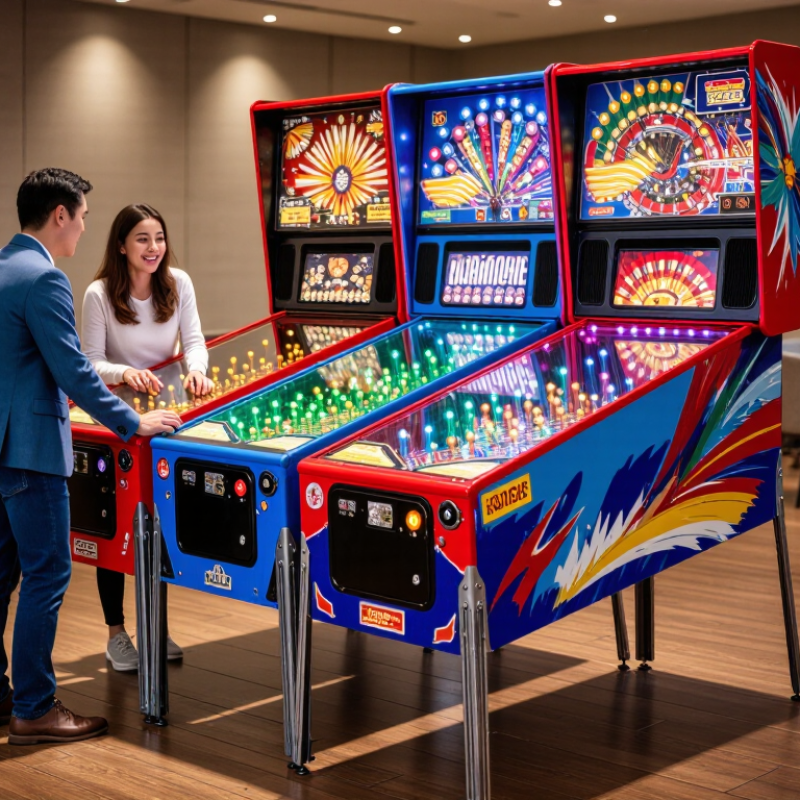
Business Benefits of Adding Pinball Machines
Pinball machines can turn unused floor space into an active customer area. Their lights, sounds, and physical controls invite interaction without lengthy explanations. In a café, bar, hotel lounge, or family venue, one machine creates a memorable pause between purchases. Customers may stay longer when an activity gives them something to do. Longer visits can support additional food, drink, or merchandise sales. Results still depend on pricing, placement, and audience. It is not a magic revenue button.
A well-placed machine can improve the atmosphere and reduce perceived waiting time. It gives guests a clear activity and encourages friendly competition. Staff should track plays, peak hours, and maintenance calls for several weeks. These records show whether the machine earns its floor space. Choose durable equipment, schedule inspections, and keep the controls clean. Safety matters too. Leave generous clearance around the cabinet and follow local electrical and accessibility requirements.
Pinball can support repeat visits through visible challenges and lawful score-based events. Keep rules clear, prizes modest, and promotions transparent. From practical observation, machines perform best where customers can see them easily. Noise must remain manageable. Some businesses misjudge this balance. A loud machine near a quiet dining area may discourage longer stays. Review customer comments and move it when needed. The investment includes delivery, repairs, electricity, and floor space. A cautious trial period can reveal weak demand before expansion. That restraint is useful.