
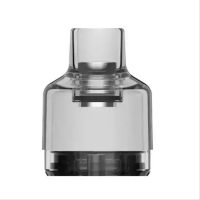
PARTS

  • Pod Parts

    Pod Parts (18)

    View Sub-Category

  • Replacement Glass

    Replacement Glass (19)

    View Sub-Category
  • PARTS

      PARTS

    • Pod Parts

      Pod Parts (18)

      View Sub-Category
    • Replacement Glass

      Replacement Glass (19)

      View Sub-Category

    Choosing a beginner vape kit

    Vape Starter Kits, in Minnesota and Beyond

    The best eCig, Box Mods and Vape Starter kits are just around the corner, or a short ship time away. If you are looking to purchase the best beginner vape kit for your dollar.

    Things often included in beginner vape kits, you might want to watch for.

    • Battery, or multiple batteries.
    • Clearomizer tanks
    • Replacement Coils
    • USB Charging Cable
    • AC Power Adapter
    • Free bottle of juice, or multiple
    • Blunt Needle tips
    Other things that might happen to be in a kit, will depend on the kind of device it's focusing on. Variable voltage devices, and more Intermediate starter kits, Sub-Ohm Kits may come with more serious attachments and add-ons.

    The key is to find the right balance between value and price.

    Of course you don't want to skimp, and have to re-buy a kit, but you do always have the opportunity to buy a more premium kit if you find you've graduated from past vape set-up. Things to think about as you choose, are whether the system will work other systems. - Some threading is specific to the brand and won't work with other devices, when you're looking at reviews check the source and make sure to weigh several reviews against each other and make an educated decision. Thanks for making Ecig Market your choice for Beginner Vape Kits in Brooklyn Center, Minnesota.

    What is vapor inside and how does it affect safety?

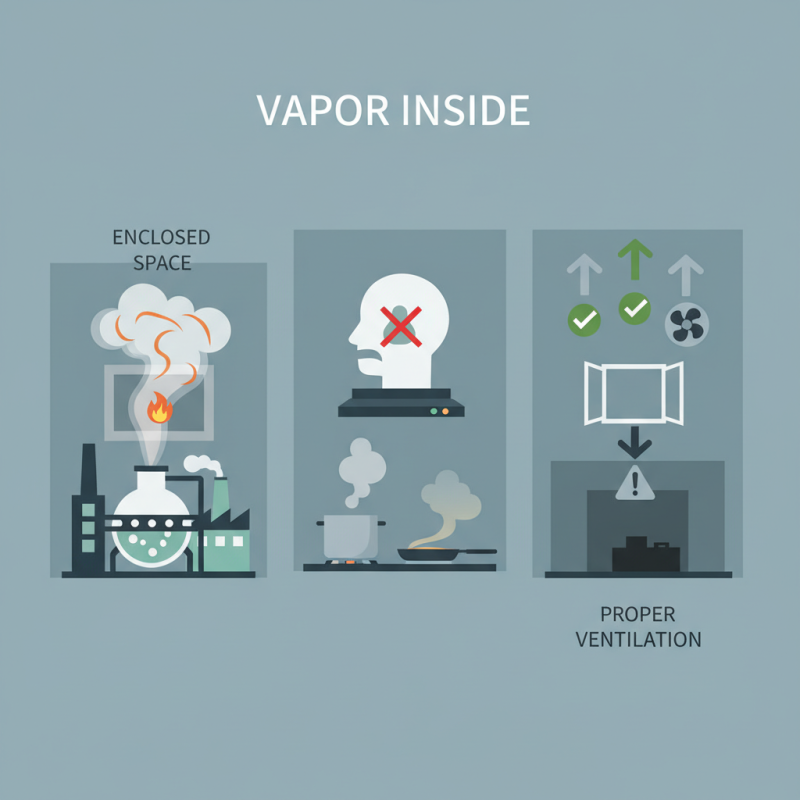
    Vapor inside refers to the gaseous state of a substance at temperatures below its boiling point. This phenomenon can be found in many environments, from industrial settings to household kitchens. Understanding vapor and its properties is crucial for maintaining safety in these spaces.

    When vapor accumulates, it can pose various risks. For example, flammable vapors can lead to explosions. In enclosed spaces, the build-up of harmful vapors may also affect air quality. Simple things like boiling water or cooking oil can create vapor inside that may go unnoticed but can be hazardous.

    Many overlook the significance of managing vapor. It’s easy to assume that everything is safe when it’s not visible. Regular checks and proper ventilation are essential. Ignoring vapor dynamics can have serious consequences. Therefore, understanding vapor inside is not just a technical detail; it's a matter of safety and awareness.
    What is vapor inside and how does it affect safety?

    What is Vapor? A Definition and Overview
    What is vapor inside and how does it affect safety?

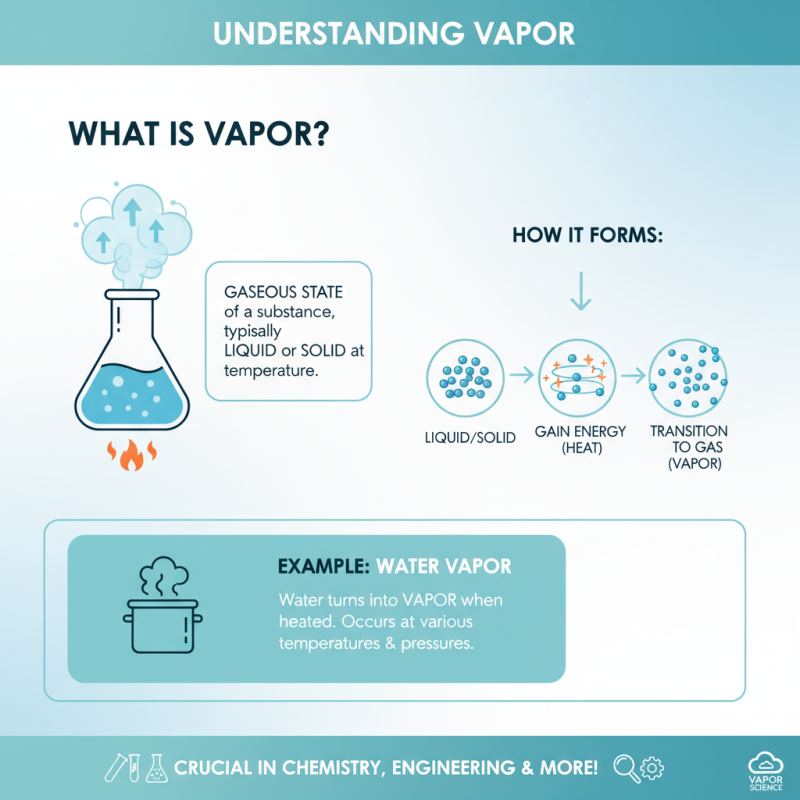
    Vapor is a term that refers to the gaseous state of a substance that is typically liquid or solid at room temperature. This phenomenon occurs when the molecules of a substance gain enough energy to transition from one form to another. For example, water transforms into vapor when heated. This process happens at various temperatures and pressures. Understanding vapor is crucial in many fields, from chemistry to engineering.

    The safety implications of vapor cannot be overlooked. In certain environments, vapor can create hazardous situations. For instance, certain vapors are highly flammable. When mixed with air, they can ignite easily. This risk is particularly prevalent in industrial settings. Workers must be adequately trained to handle materials that can produce dangerous vapors. Ignoring safety protocols can lead to accidents or explosions.

    However, not all vapors are harmful. Many are harmless and even essential for different processes. The challenge lies in recognizing which vapors pose a risk. Sometimes, proper identification of vapor types can be overlooked. This oversight can lead to serious safety concerns. Reflecting on these issues is necessary for a safer workplace. Awareness and education are keys to managing vapor-related risks effectively.

    The Formation of Vapor: How It Occurs in Different States

    Vapor is a common phenomenon in different environments. It forms as substances transition from liquid to gas. This happens due to heat, pressure changes, or both. In industrial settings, understanding vapor formation is crucial for safety. For instance, according to the Occupational Safety and Health Administration (OSHA), over 5,000 workplace accidents annually are linked to vapor hazards.

    Tips: Always use proper ventilation. Lack of airflow can increase vapor concentrations, making the space unsafe.

    Different states of matter affect vapor formation. For liquids, heat energy causes molecules to move faster. As they escape, vapor is produced. In solids, sublimation occurs. Here, solid substances directly transition into vapor at specific temperatures. The National Fire Protection Association (NFPA) notes that certain vapors can ignite, leading to fire hazards.

    Tips: Regularly monitor temperature and pressure. This can help you control vapor levels and prevent dangerous situations.

    Vapor does not always behave predictably. Factors like humidity and temperature fluctuations can change its properties. Understanding these aspects can lead to better safety protocols. Still, some workers may overlook these concepts in practice. Awareness is essential to mitigate risks associated with vapor.

    Types of Vapors: Common Examples and Their Characteristics

    Vapor refers to gaseous forms of substances that can exist in different states. Common examples include water vapor, alcohol vapor, and gasoline vapor. Each has unique characteristics that affect their behavior in the air. Water vapor is essential for weather patterns and hydration. In contrast, alcohol vapor can be flammable and potentially harmful in high concentrations.

    Gasoline vapor is another notable example. It's heavier than air and can accumulate in low areas. This accumulation poses significant risks, such as explosions or poisoning. The flammability of vapors often leads to dangerous situations, especially in poorly ventilated spaces. Even small quantities can create hazardous environments.

    Understanding the characteristics of various vapors is crucial for safety. Awareness can prevent accidents in workplaces and homes. Proper storage and ventilation reduce risks associated with vapors. Yet, many people underestimate these hazards until incidents occur. It’s a reminder to pay attention to our surroundings and the materials we use daily.

    Safety Risks Associated with Vapor Exposure

    Vapor can often contain harmful substances. Exposure to vapor may lead to serious health issues. Common symptoms include dizziness, headaches, and respiratory problems. Prolonged exposure heightens the risk of chronic conditions. It is crucial to identify the source of vapor to mitigate these risks.

    Tips: Always ensure proper ventilation when working around vapor. Use protective gear to reduce exposure. Monitor your health regularly. Simple checks can prevent long-term damage.

    Understanding the effects of vapor helps maintain a safe environment. Healthcare professionals can provide guidance if exposure occurs. It’s essential to take any symptoms seriously. Ignoring them may lead to severe consequences. Be proactive about safety measures.

    Prevention and Mitigation Strategies for Vapor Safety

    What is vapor inside and how does it affect safety?

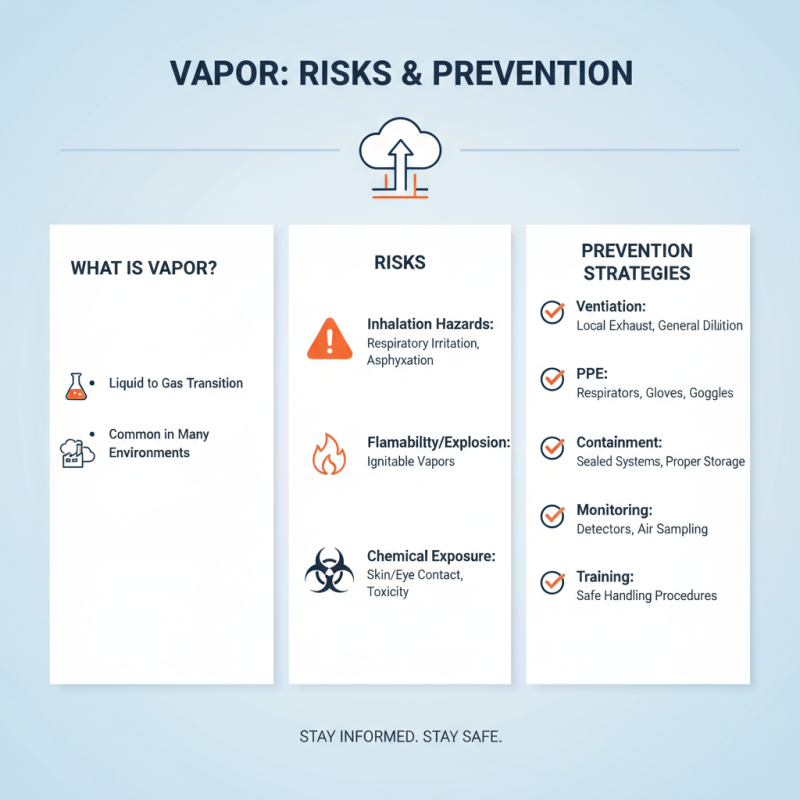
    Vapor is a common occurrence in various environments. It can come from liquids transitioning to gas. Understanding the risks associated with vapor is essential for safety. There are several strategies to prevent accidents and manage exposure.

    Proper ventilation is key. Ensuring adequate airflow can disperse harmful vapors. Open windows or use exhaust fans to maintain indoor air quality. Regular monitoring of vapor levels can prevent buildup. Safety data sheets can guide the selection of appropriate personal protective equipment.

    Training employees is crucial. They should understand how vapor behaves and the risks involved. Regular safety drills can prepare them for emergencies. It’s important to investigate past incidents for insights. Learning from mistakes can improve safety protocols. Ultimately, a proactive approach is necessary to create a safe environment.