

Pod Parts (18)
View Sub-Category
Replacement Glass (19)
View Sub-CategoryPARTS
Choosing a beginner vape kit
Vape Starter Kits, in Minnesota and Beyond
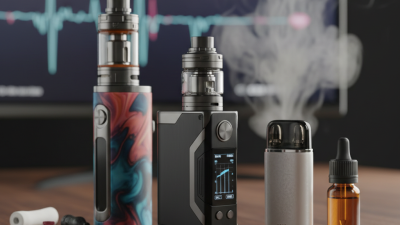
The best eCig, Box Mods and Vape Starter kits are just around the corner, or a short ship time away. If you are looking to purchase the best beginner vape kit for your dollar.Things often included in beginner vape kits, you might want to watch for.
- Battery, or multiple batteries.
- Clearomizer tanks
- Replacement Coils
- USB Charging Cable
- AC Power Adapter
- Free bottle of juice, or multiple
- Blunt Needle tips
The key is to find the right balance between value and price.
Of course you don't want to skimp, and have to re-buy a kit, but you do always have the opportunity to buy a more premium kit if you find you've graduated from past vape set-up. Things to think about as you choose, are whether the system will work other systems. - Some threading is specific to the brand and won't work with other devices, when you're looking at reviews check the source and make sure to weigh several reviews against each other and make an educated decision. Thanks for making Ecig Market your choice for Beginner Vape Kits in Brooklyn Center, Minnesota.Top 10 Vaping Trends in China Compared to the United States
As vaping continues to gain popularity across the globe, understanding the trends in different regions becomes essential. In China, the vaping culture has evolved rapidly, showcasing unique styles and preferences. Meanwhile, the vaping united states presents a contrasting yet equally dynamic landscape. This comparison highlights key differences in regulations, social acceptance, and product innovation between these two markets.
In China, vibrant flavors and sleek designs attract a younger demographic. Vapers often seek devices that reflect their lifestyle and personal identity. Conversely, the vaping united states tends to focus more on device performance and safety standards. American consumers prioritize transparency in ingredients and production processes. This divergence raises questions about health implications and consumer education in both regions.
While both countries contribute significantly to the global vaping market, challenges remain. For instance, misinformation about vaping risks can mislead users, impacting their choices. Additionally, the regulatory landscape is continually evolving. Reflection on these trends may reveal valuable insights for enthusiasts and industry stakeholders alike. This exploration underscores the importance of understanding local contexts in the broader vaping conversation.

Emerging Vaping Trends in China: An Overview
Emerging vaping trends in China are reshaping the landscape of the industry. One notable trend is the increasing popularity among younger adults. This demographic is drawn to unique flavors and customizable devices. They seek experiences over traditional smoking habits. Yet, this shift raises concerns about health implications and the long-term effects of vaping.
Social media heavily influences Chinese vaping culture. Platforms showcase vibrant vaping communities, where users exchange tips and tricks. However, the spread of misinformation is a risk. Some discussions glamorize vaping without considering potential health risks. Another emerging trend is the focus on technological innovation in devices. Many manufacturers prioritize sleek design and advanced features. This indicates a shift towards a lifestyle product rather than merely a smoking alternative.
China's vaping market also faces regulatory challenges. The government has implemented stricter guidelines to address safety concerns. Still, the balance between innovation and regulation remains delicate. Many entrepreneurs are eager to innovate, yet they must navigate a complex legal landscape. This ongoing evolution invites reflection on how trends can unite or divide public perception. As the industry advances, the health and safety of users must remain a priority.
Related Posts
-
How to Choose the Best Vaping Products for Beginners?
-
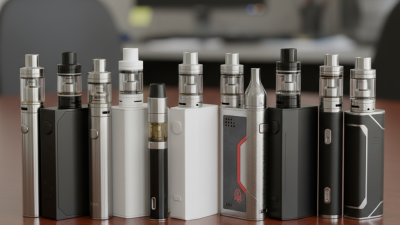
Top 10 Best Vaping Devices for Beginners and Experienced Users?
-

2026 How to Navigate Vaping Regulations in the United States?
-
China Best Vaping Best Devices for an Unforgettable Experience?
-

2026 Best Vaping Liquid Options for Flavor and Quality?
-
Top Vaping Best Devices Trends and Tips for Beginners?