
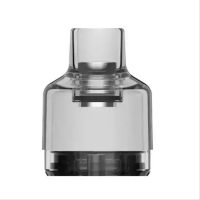
PARTS
Pod Parts (18)
View Sub-Category

Replacement Glass (19)
View Sub-CategoryPARTS
Choosing a beginner vape kit
Vape Starter Kits, in Minnesota and Beyond
The best eCig, Box Mods and Vape Starter kits are just around the corner, or a short ship time away. If you are looking to purchase the best beginner vape kit for your dollar.Things often included in beginner vape kits, you might want to watch for.
- Battery, or multiple batteries.
- Clearomizer tanks
- Replacement Coils
- USB Charging Cable
- AC Power Adapter
- Free bottle of juice, or multiple
- Blunt Needle tips
The key is to find the right balance between value and price.
Of course you don't want to skimp, and have to re-buy a kit, but you do always have the opportunity to buy a more premium kit if you find you've graduated from past vape set-up. Things to think about as you choose, are whether the system will work other systems. - Some threading is specific to the brand and won't work with other devices, when you're looking at reviews check the source and make sure to weigh several reviews against each other and make an educated decision. Thanks for making Ecig Market your choice for Beginner Vape Kits in Brooklyn Center, Minnesota.Top 10 Vapor Market Types Global Buyers Need to Know
The global vapor market is no longer one uniform category. It includes closed-system pod devices, open-system refillables, disposable products where legally permitted, nicotine-free liquids, and heated alternatives. Each type differs in hardware, ingredients, packaging, taxation, and compliance duties. Global buyers need to understand those differences before comparing suppliers or forecasts.
Grand View Research estimated the global e-cigarette market at USD 22.3 billion in 2023. It also projected a 30.6% compound annual growth rate from 2024 to 2030. These figures are useful, but market estimates vary widely by definition and source. That matters. A report may include devices only, or devices plus liquids and accessories. Buyers should check the methodology, geography, and product scope.
Public Health England’s 2018 evidence review quoted Peter Hajek, director of the Health and Lifestyle Research Unit at Queen Mary University of London: “Vaping is only a small fraction of the risks of smoking, and switching completely from smoking to vaping conveys substantial health benefits over continued smoking.” The statement concerns adult smokers and does not mean vaping is risk-free. It should not be used to promote youth use or unregulated products.
This guide examines ten vapor market types through a practical purchasing lens. It considers product design, quality controls, labeling, battery safety, traceability, and local legal requirements. WHO reports that more than 1.3 billion people still use tobacco worldwide, yet vapor rules differ sharply across countries. Some markets restrict flavors, nicotine strength, or imports. Others prohibit specific products entirely. Buyers must verify current regulations with competent local authorities. The categories also overlap. That is where careless comparisons begin.
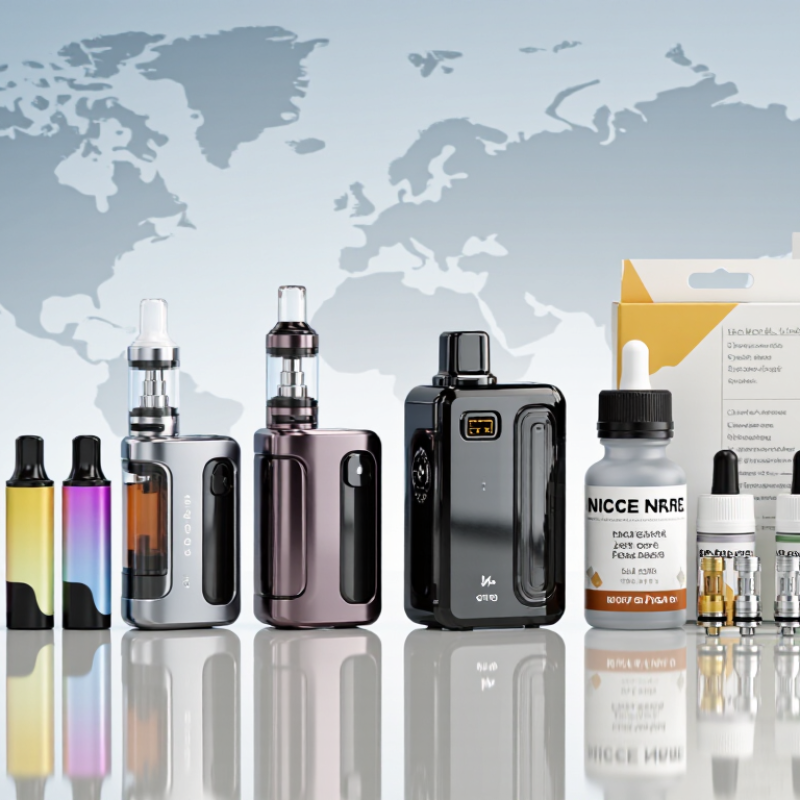
Defining Vapor Markets and Their Role in Global Trade
Vapor markets are commercial systems for legal, age-restricted vapor products, including devices, refill liquids, cartridges, and related components. They are not one uniform category. Buyers usually distinguish open-system devices, closed-system cartridges, disposable units, and reusable hardware. Definitions vary across reports and customs databases. That weakness matters.
Grand View Research estimated the global e-cigarette market at approximately USD 28.17 billion in 2023, with strong projected growth through 2030. However, market estimates differ because some studies include hardware only, while others count liquids and retail services. Data still conflict. Buyers should check product definitions before comparing suppliers, prices, or shipment volumes.
Vapor markets connect manufacturers, component suppliers, testing laboratories, distributors, and regulated retailers across borders. This network supports demand forecasting, quality verification, packaging, and inventory planning. The World Health Organization emphasizes that national rules differ widely, especially regarding ingredients, labeling, advertising, and age controls.
Compliance therefore becomes part of trade value, not a final paperwork step. A shipment may meet technical specifications yet fail destination-market requirements. Experienced buyers review certificates, batch records, safety documentation, and traceable labeling before signing contracts. They also examine battery transport rules and waste-handling obligations. The commercial picture is promising, but not perfectly measured. That uncertainty deserves attention.
Classifying the Ten Main Vapor Market Types
The vapor market is not one uniform category. It contains ten practical segments: disposable devices, closed-system pods, open-system refillable devices, regulated high-power devices, nicotine-salt liquids, freebase liquids, zero-nicotine liquids, hardware components, e-liquid ingredients, and compliant retail or wholesale channels. These categories describe products, supply chains, and buying behavior. They should not be treated as universal definitions.
Grand View Research valued the global e-cigarette market at about USD 18.13 billion in 2022 and projected a 30.6% compound annual growth rate from 2023 to 2030. That growth supports careful segmentation, especially when buyers compare device turnover, liquid demand, and distribution risks. Closed systems often emphasize convenience, while open systems create repeat demand for bottles, coils, and maintenance parts. Hardware markets also depend on battery safety and verified specifications. Small details matter.
The classification remains imperfect. Nicotine formats can overlap with device categories, and national rules change quickly. The World Health Organization reports that emissions may contain harmful substances, while long-term health effects remain uncertain. Professional buyers should verify age controls, labeling, testing records, and import requirements before placing orders. Market data also varies by research method, channel coverage, and legal definition. Reported growth is not always equal to real consumer demand.
| № | Vapor Market Type | Core Product Format | Heating and Power Characteristics | Liquid or Material Format | Typical Buyer Profile | Main Purchasing Advantages | Key Sourcing and Compliance Considerations |
|---|---|---|---|---|---|---|---|
| 1 | Closed-System Pod Market | Compact battery device used with prefilled, replaceable cartridges. | Low-to-moderate power; usually draw-activated and designed for simple operation. | Factory-filled e-liquid cartridge, commonly containing nicotine salts or freebase nicotine. | Adult users seeking portability, convenience, and consistent dosing. | Minimal maintenance, limited leakage risk, and predictable cartridge replacement. | Cartridge capacity, nicotine concentration, labeling, child-resistant packaging, and product authorization requirements vary by market. |
| 2 | Open-System Pod Market | Small pod device with a refillable reservoir and replaceable or integrated coil. | Low-to-medium power with adjustable airflow on some models. | User-selected bottled e-liquid, including nicotine-salt and freebase formulations. | Adult users who want compact equipment with broader liquid choice. | Lower packaging waste than prefilled formats and more flexibility in flavor and nicotine selection. | Leak resistance, refill design, coil compatibility, battery safety, and liquid-container rules are important procurement criteria. |
| 3 | Single-Use Disposable Market | Pre-filled, sealed device intended to be discarded after the liquid or battery is depleted. | Integrated battery with low-to-moderate output; generally draw-activated. | Pre-filled e-liquid in a sealed internal reservoir. | Adult consumers prioritizing immediate use and no charging or refilling. | Simple retail presentation, low user learning curve, and no separate accessories required. | Battery transport, recycling, waste management, nicotine limits, environmental rules, and disposable-product restrictions require close review. |
| 4 | Rechargeable Disposable Market | Pre-filled device with a rechargeable battery, normally not designed for liquid refilling. | USB-rechargeable integrated battery; output is typically regulated at a modest level. | Pre-filled e-liquid with a sealed or semi-sealed reservoir. | Adult users wanting disposable-style convenience with longer battery usability. | Fewer discarded units caused by battery depletion before the liquid is finished. | Charging-port safety, battery certification, end-of-life recycling, leakage control, and restrictions on single-use formats should be assessed. |
| 5 | Refillable Vape Pen Market | Slender cylindrical device with a refillable tank or cartridge. | Usually low-to-medium wattage; many models use a built-in rechargeable battery. | Bottled e-liquid, generally used with replaceable or integrated coils. | Adult users seeking a lightweight device with more capacity than basic pod products. | Portable design, accessible operation, and a balance between capacity and simplicity. | Thread compatibility, coil availability, tank sealing, charging protection, and e-liquid packaging specifications affect market acceptance. |
| 6 | Pod-Mod Market | Hybrid device combining pod convenience with adjustable power, airflow, or replaceable coils. | Low-to-medium power; commonly powered by an internal rechargeable battery. | Refillable pod or replaceable-cartridge system using bottled e-liquid. | Adult users moving from basic pods to more adjustable equipment. | Compact form with improved control over airflow, vapor volume, and draw style. | Interchangeable pod design, coil supply, charging performance, liquid compatibility, and user instructions are central sourcing issues. |
| 7 | Box-Mod and Sub-Ohm Tank Market | External or internal battery device paired with a larger tank and replaceable low-resistance coil. | Medium-to-high adjustable wattage; designed for greater vapor output than pod systems. | Refillable tank using bottled e-liquid, often with relatively low nicotine strength. | Experienced adult users who want adjustable performance and larger liquid capacity. | High customization, replaceable coils, adjustable airflow, and extended use between refills. | Battery authenticity, overcharge and short-circuit protection, thermal control, tank leakage, and technical documentation are essential. |
| 8 | Rebuildable Atomizer Market | Rebuildable dripping atomizer or rebuildable tank atomizer requiring user-installed coils and wicking. | Power level is selected by the user and may range from low to high depending on coil design. | Refillable e-liquid applied to a wick or stored in a tank. | Advanced adult users interested in customization and maintenance. | Flexible coil construction, adjustable airflow, and potentially lower recurring hardware costs. | Requires clear safety guidance, electrical-resistance information, compatible materials, and careful battery-use instructions. |
| 9 | Dry-Herb Vaporizer Market | Portable or desktop vaporizer with a chamber designed for dried botanical material. | Battery-powered or mains-powered; uses controlled conduction, convection, or hybrid heating. | Dry botanical material rather than bottled e-liquid. | Adult consumers purchasing products for legally permitted botanical applications. | No liquid handling, adjustable temperature on many devices, and reusable hardware. | Legal status of the material, temperature claims, electrical safety, emissions testing, cleaning requirements, and import restrictions differ substantially by jurisdiction. |
| 10 | Concentrate Vaporizer Market | Portable or desktop device using a cartridge, chamber, or atomizer for legally permitted concentrates. | Battery-powered or mains-powered; heating may use a coil, ceramic element, or other temperature-controlled component. | Viscous concentrates or oils, depending on the legally permitted application and device design. | Adult consumers and specialty-channel buyers operating where the relevant materials are lawful. | Compact formats, rapid heating, and compatibility with specialized material types. | Material legality, contaminant testing, cartridge integrity, thermal performance, battery transport, and jurisdiction-specific licensing must be verified before import. |
Comparing Products, Applications, and Buyer Requirements
Global vapor markets differ by product design, application, and buyer expectations. Industrial steam generators serve factories, laboratories, and food-processing lines. Humidification units support storage rooms, greenhouses, and controlled production spaces. Consumer vapor devices form another category, requiring strict safety controls and clear use instructions. Each market has different performance targets.
Buyers should compare output stability, heating speed, energy use, and material compatibility. A laboratory customer may need precise control and documented calibration. A food processor may prioritize cleanable surfaces and hygienic construction. A distributor may focus on packaging, minimum order quantities, spare parts, and delivery reliability. These details often matter more than appearance.
Compliance must match the destination market. Request test reports, electrical safety documents, chemical disclosures, and traceable quality records before placing an order. Confirm whether local rules require registration, language-specific labels, age controls, or recycling information. Experience shows that a low purchase price can hide service delays or incompatible components. No comparison is perfect. Buyer requirements also change after field testing. A sensible evaluation therefore includes sample trials, written specifications, and a review of failure risks. Small omissions can become expensive problems.
Evaluating Regulations, Suppliers, and Market Risks
Top 10 Vapor Market Types Global Buyers Need to Know
Global buyers should separate vapor markets by device design, intended use, and regulatory status. Common categories include closed-system pods, refillable devices, disposable units, heat-not-burn products, and zero-nicotine vapor products. Each category creates different compliance duties, testing needs, and supply risks.
Regulations remain the first purchasing filter.
Buyers should verify age restrictions, ingredient rules, emissions testing, labeling, packaging, battery safety, and import requirements in every destination. Requirements can differ between countries, states, and even product categories. Never rely on a supplier’s general statement that a product is compliant. Request current laboratory reports, technical files, traceability records, and evidence of quality-system controls. Documents matter.
Supplier evaluation should include factory audits, sample testing, batch consistency, and complaint procedures.
Ask how the supplier controls liquids, heating elements, batteries, and child-resistant packaging. A low price may hide weak testing or unstable materials. It is also wise to inspect production records and confirm whether subcontractors are involved.
Market risks change quickly.
Rules may tighten, shipping channels may close, and consumer preferences may shift within months. Buyers should avoid dependence on one factory or one destination market. A diversified sourcing plan is safer, although it costs more. No checklist is perfect. In practice, teams sometimes overlook small labeling differences until customs or retailers reject a shipment. Independent legal review remains valuable, especially before a large order.
Selecting the Right Vapor Market for Global Purchasing Needs
Selecting the right vapor market begins with the buyer, not the product. The main types include closed-pod, open-system, disposable, refillable, nicotine-free, and heat-not-burn categories. Each serves different users, tax rules, and supply chains. Grand View Research estimated the global e-cigarette and vape market at about USD 26 billion in 2023. Yet market size alone can mislead. A large market may have strict registration, packaging, or advertising controls.
Global buyers should compare four practical signals: legal access, consumer demand, import costs, and after-sales risk. Closed systems offer simpler handling, while refillable systems may require stronger quality controls. Disposable formats can create higher waste-management concerns. The WHO’s tobacco control reporting continues to emphasize youth protection, product oversight, and transparent ingredient information. Buyers should therefore request laboratory test records, batch traceability, age-gating procedures, and recyclable packaging evidence. Some suppliers provide documents late. That is a warning, not a small inconvenience.
Tips: Build a country scorecard before contacting suppliers. Check permitted product categories, nicotine limits, taxes, labeling language, and customs documentation. Use two independent data sources, such as national regulators and Euromonitor industry research. Test a small compliant shipment first. Forecasting is never perfect. A modest pilot can reveal delivery delays, return rates, and customer-service gaps before larger purchasing commitments.
Related Posts
-
China Top 10 Types of Best Vapor Barrier Products?
-

How to Choose the Best Cig Shop for Your Smoking Needs?
-
Why Choose the Best Vapor Products for Global Buyers?
-

2026 How to Choose the Best Vaping Liquid for Your Needs?
-

The Ultimate Guide to Top Liquids Online Shop for All Your Needs
-
How to Choose the Best Vaping Products for Beginners?