Top 10 Juice Liquid Suppliers for Global Buyers
Choosing a juice liquid supplier involves more than comparing prices. Buyers need to understand what is inside the product, how consistently it can be made, and whether it suits their production line. Juice liquids may include concentrates, not-from-concentrate juices, and custom beverage bases. Each has different requirements for flavor, soluble solids, acidity, storage, and handling. Details matter. A sample that tastes bright in a glass may behave differently after blending, heating, or extended storage.
This guide introduces ten suppliers serving international buyers and offers a practical starting point for comparison. Look for clear product specifications, dependable batch records, responsive sample support, and packaging options that fit your shipping and storage setup. Ask about minimum order quantities, lead times, temperature controls, and traceability before committing. Request documents relevant to your market, then confirm them with the supplier and your own quality team. Requirements vary by destination and product type.
A polished brochure is useful, but it cannot prove consistent performance. Test samples under real production conditions, and compare more than one batch when possible. Freight costs, seasonal fruit availability, and exchange rates can also change the apparent value of an offer. No single supplier will suit every buyer. This shortlist is a place to begin, not a substitute for careful verification. Even a small trial order can reveal questions a sales call misses.
Understanding Juice Liquid Suppliers and Their Product Categories
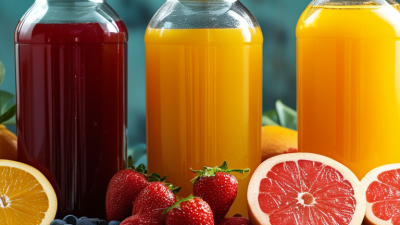
Juice liquid suppliers usually offer several distinct formats: not-from-concentrate juice, reconstituted concentrate, fruit purée, and blended bases. They differ in processing, texture, storage needs, and use. NFC juice keeps a fresher profile but often needs chilled handling. Concentrate travels efficiently and lets buyers adjust sweetness and strength. Purée carries more pulp, which matters in smoothies and fillings. Small detail, big impact.
The USDA Foreign Agricultural Service’s June 2024 Citrus: World Markets and Trade report projected global orange juice production at about 1.5 million metric tonnes for 2023/24, measured at 65° Brix. That figure covers orange juice, not every juice category. FAOSTAT’s 2022 crop data records roughly 160 million tonnes of global citrus production, showing the scale of the fruit supply behind processing. Buyers should compare Brix, acidity, pulp level, origin, harvest season, and packaging format on each specification sheet. Aseptic drums suit ambient bulk storage; frozen concentrate needs reliable cold-chain planning. I would still request a trial sample. Paper specs can miss how a juice behaves after dilution, and that gap deserves attention.
Key Criteria for Evaluating Global Juice Suppliers
A reliable juice supplier should be judged by more than price per ton. Ask for product specifications that state fruit content, sweetness range, acidity, and processing method. Details matter. A sample can reveal color, aroma, and sediment, but one tasting is not enough. Compare batches and request recent quality records. Check whether the supplier can trace ingredients and production lots back to their sources.
Production capacity and delivery performance matter just as much. Confirm available formats, minimum order quantities, lead times, and temperature requirements for shipping. Ask how delays or quality complaints are handled, and look for clear, documented answers. Certifications may support confidence, but verify their scope and expiry rather than treating a logo as proof. Communication is a practical test: do replies address specific questions, or only promise flexibility? That distinction can save time. Still, supplier documents rarely tell the whole story, and even a careful review has blind spots. Start with a manageable trial order, inspect the delivered packaging, and compare the batch against the agreed specification before scaling up.
Profiles of Ten Juice Liquid Suppliers for International Buyers
International buyers comparing ten juice-liquid suppliers should look beyond catalogue breadth. Each profile should state product form, fruit origin, processing method, available specifications, annual capacity, packaging, and export experience. Separate suppliers of not-from-concentrate juice from concentrate and purée producers; their cold-chain needs and processing uses differ. Ask for recent certificates of analysis, microbiological limits, traceability records, and sample batches. Small details matter: a 200-litre drum and a refrigerated tank shipment create very different handling plans.
Crop data helps buyers assess supply exposure. FAOSTAT’s 2022 production series records global orange output at roughly 76 million tonnes, but fruit availability does not guarantee steady juice supply. USDA Foreign Agricultural Service’s Citrus: World Markets and Trade reports track production and trade estimates by country, useful context for sourcing discussions. Request the harvest period, origin, and price-review terms for each of the ten suppliers. Compare lead times and minimum order quantities against your actual demand, not an ideal forecast. Verify claims with documents and, where feasible, a production-site audit. Some supplier information may remain incomplete; treat that as a risk to clarify, not a detail to overlook.
Juice Supplier Buying Guide: Typical °Brix Benchmarks
Approximate midpoints of common single-strength juice ranges, useful as a starting point when comparing product specifications.
Typical ranges vary by fruit, variety, maturity, and processing. Confirm the target °Brix and measurement method with each supplier.
Comparing Supplier Capabilities, Certifications, and Sourcing Options
Choosing among the top juice liquid suppliers means comparing more than price per tonne. Check annual capacity, extraction method, batch consistency, and whether the supplier offers concentrate, not-from-concentrate juice, or both. FAOSTAT recorded roughly 76 million tonnes of orange production worldwide in 2022, but a large crop does not guarantee uniform juice quality. Ask for recent specifications covering Brix, acidity, color, and microbiological controls. A neat specification sheet is not the whole story; request representative samples and compare them under your own processing conditions.
Certifications can help buyers assess food-safety systems, but verify the certificate’s current validity, production site, and product scope. Ask whether the supplier holds a GFSI-recognized certification, and review its audit status rather than relying on a logo. Compare origin options, harvest windows, minimum order quantities, packaging, and lead times. A supplier with multiple sourcing regions may reduce seasonal disruption, though additional origins can also mean more variation. Request lot-level traceability and written procedures for handling out-of-spec shipments.
Tips: Ask for a recent certificate of analysis, a sample from the intended origin, and a clear price basis, including freight and storage. Confirm whether bulk juice ships chilled, frozen, or aseptically packed. Small details matter. Test the sample before committing to a large order; buyers sometimes overlook how their own blending or heating steps change the final taste.
How to Select and Verify a Juice Liquid Supplier for Your Market
A reliable juice liquid supplier should match your product, route, and local customer expectations—not just offer a low price. Confirm whether the juice is not-from-concentrate, reconstituted, or supplied as concentrate. Check the ingredient specification, Brix level, acidity, pulp range, processing method, and storage temperature. Ask for a certificate of analysis tied to a specific production lot, then test a sealed sample against your own specification. Paperwork matters. Verify certificates with their issuer, and check whether the supplier can trace ingredients and finished product through batch codes. A polished sample is not enough; request one from a regular production run.
Food safety deserves equal scrutiny.
The World Health Organization’s 2015 global burden estimates attributed about 600 million illnesses and 420,000 deaths annually to contaminated food. This is not juice-specific, but it shows why documented controls matter. The EU RASFF Annual Report 2023 recorded 4,695 notifications concerning food and feed risks; these were system notifications, not juice-only cases.
Review the supplier’s hazard-control plan, cleaning records, water testing, recall procedure, and independent audit scope. Ask how the supplier handles a failed test or temperature excursion, and request a recent example with sensitive details removed. Not a guarantee. Compare freight conditions too: a liquid that meets specifications at dispatch may arrive altered after heat exposure. Check market labeling and import requirements with a qualified local adviser; supplier assurances alone can miss details.