
PARTS

  • Pod Parts

    Pod Parts (18)

    View Sub-Category
  • Replacement Glass

    Replacement Glass (19)

    View Sub-Category
  • PARTS

      PARTS

    • Pod Parts

      Pod Parts (18)

      View Sub-Category
    • Replacement Glass

      Replacement Glass (19)

      View Sub-Category

    Choosing a beginner vape kit

    Vape Starter Kits, in Minnesota and Beyond

    The best eCig, Box Mods and Vape Starter kits are just around the corner, or a short ship time away. If you are looking to purchase the best beginner vape kit for your dollar.

    Things often included in beginner vape kits, you might want to watch for.

    • Battery, or multiple batteries.
    • Clearomizer tanks
    • Replacement Coils
    • USB Charging Cable
    • AC Power Adapter
    • Free bottle of juice, or multiple
    • Blunt Needle tips
    Other things that might happen to be in a kit, will depend on the kind of device it's focusing on. Variable voltage devices, and more Intermediate starter kits, Sub-Ohm Kits may come with more serious attachments and add-ons.

    The key is to find the right balance between value and price.

    Of course you don't want to skimp, and have to re-buy a kit, but you do always have the opportunity to buy a more premium kit if you find you've graduated from past vape set-up. Things to think about as you choose, are whether the system will work other systems. - Some threading is specific to the brand and won't work with other devices, when you're looking at reviews check the source and make sure to weigh several reviews against each other and make an educated decision. Thanks for making Ecig Market your choice for Beginner Vape Kits in Brooklyn Center, Minnesota.

    Top 10 Lip Gloss Plumper Suppliers for Global Buyers

    Choosing a Lipgloss Plumper supplier involves more than comparing prices. Global buyers need to assess formula consistency, packaging quality, production capacity, and communication before placing an order. A glossy sample may look appealing under bright showroom lights, but the applicator, tube seal, and shade can reveal more during everyday use. Small details matter.

    This guide introduces ten suppliers for buyers seeking practical options across different sourcing needs. It highlights factors worth checking, including sample availability, minimum order quantities, lead times, customization, and product documentation. Ask how suppliers manage batch consistency and inspect packaging before approving a large production run. Clear answers are useful; vague promises are not. Samples can disappoint.

    Supplier information can change, and a shortlist is not a substitute for direct verification. Buyers should confirm current capabilities, request recent samples, and review specifications with their own product teams. A lower quote may come with trade-offs, while a polished website alone cannot prove dependable manufacturing. There is no perfect supplier. The right fit depends on order size, target market, communication needs, and quality expectations. This comparison offers a starting point, not a guarantee, helping global buyers ask sharper questions before committing to a Lipgloss Plumper project.
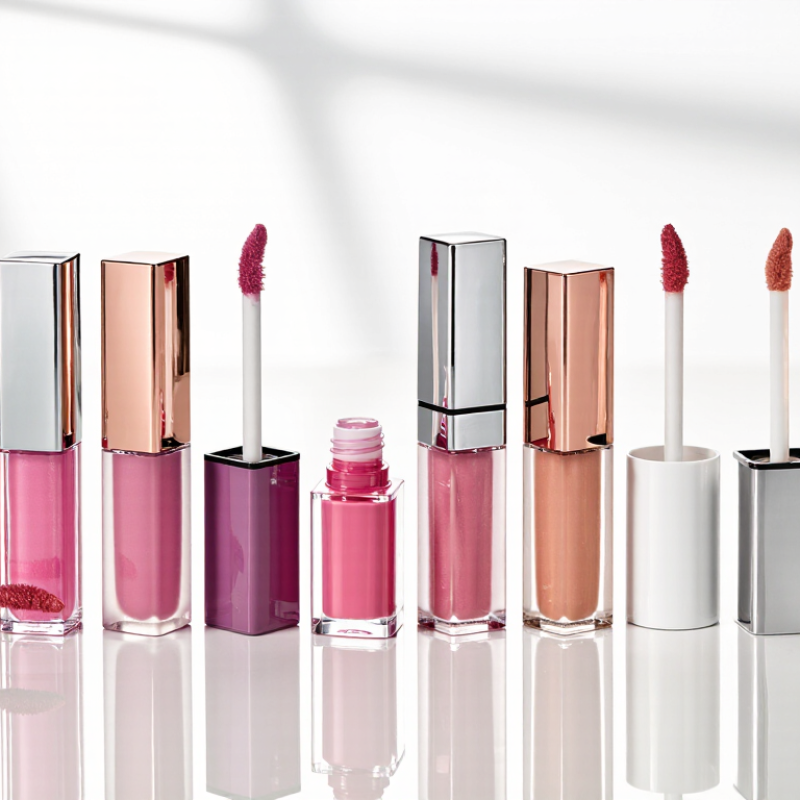
    Top 10 Lip Gloss Plumper Suppliers for Global Buyers

    What Lip Gloss Plumpers Are and How They Work

    Lip gloss plumpers are topical cosmetics designed to make lips look temporarily fuller while adding shine. Their effects depend on the formula. Some use ingredients such as menthol, ginger, or cinnamon derivatives to create a mild warming or cooling sensation. This can briefly increase surface redness and make lips appear more defined.

    A tingle is common, but stronger discomfort does not mean better results. That distinction matters.

    Other formulas use humectants, such as hyaluronic acid or glycerin, to attract moisture and soften dry-looking lines. The result is usually a smoother surface, not a lasting increase in lip volume. Some products combine these approaches, so the finish can feel glossy while lips look a little more rounded.

    The effect fades. It is also not perfectly predictable: sensitivity, application amount, and existing dryness can change how a product feels. Apply a small amount first, avoid broken or irritated skin, and stop using it if burning or swelling develops.

    Lip plumpers can enhance appearance for a short time, but they do not permanently change lip structure.

    Common Formulations, Ingredients, and Product Types

    Lip gloss plumpers usually combine shine, slip, and a temporary fuller-looking effect. Common bases use castor oil, polybutene, or other emollients for a smooth, glossy film. Glycerin and hyaluronic acid can help attract moisture, while peptides appear in some conditioning formulas. Warming or cooling agents, such as menthol or vanillyl butyl ether, create a noticeable sensation; that sensation is not proof of lasting volume. Cosmetics Europe’s 2024 market report valued the European cosmetics and personal-care market at €104 billion, underscoring the scale of beauty-product demand, though it does not isolate lip plumpers. The feel matters. Some users dislike the tingle.

    Product types include clear plumpers, tinted glosses, shimmer finishes, and balm-gloss hybrids. Clear versions suit layering over lipstick, while tinted formulas combine color and shine in one step. A supplier’s sample should be checked for tackiness, fragrance strength, applicator control, and color consistency. Small details count. Claims and ingredient lists should match the finished formula and its intended use.

    Tips: Test a sample on the lips before approving a large order, and compare the sensation after several minutes. Ask suppliers for ingredient specifications, stability data, and packaging compatibility results. Stronger tingling is not necessarily better; sensitive users may prefer a milder formula. Even experienced buyers can miss this.

    Top 10 Lip Gloss Plumper Suppliers for Global Buyers - Common Formulations, Ingredients, and Product Types

    The entries below describe common supplier categories, not named companies or a ranked vendor list. Formulations and capabilities vary by supplier and product brief.

    Supplier category Common formulation approach Ingredients often considered Typical product types Buyer considerations
    1. Full-service color cosmetics OEM/ODM Develops or adapts gloss formulas alongside shade and finish options. Polybutene or hydrogenated polyisobutene, emollient oils, waxes, pigments, and flavor components where appropriate. Clear, tinted, shimmer, high-shine, and plumping glosses. Confirm formula ownership, customization scope, testing, and packaging options.
    2. Lip-care specialist manufacturer Focuses on comfort, conditioning, and wear in lip-specific formats. Castor oil, shea butter, squalane, tocopherol, and film-forming or glossing agents, depending on the formula. Conditioning plumpers, gloss-balms, and overnight lip treatments. Ask about sensory testing, ingredient restrictions, and stability in the selected package.
    3. Private-label gloss producer Offers established base formulas with selectable shades, finishes, and packaging. Common gloss bases, colorants, mica or other approved effect pigments, and optional flavoring. Ready-to-customize clear, colored, glitter-effect, and mild sensation glosses. Check minimum order quantities, available formula choices, and market-specific labeling support.
    4. Custom formulation lab or contract developer Creates a brief-led formula and may coordinate scale-up with a manufacturing partner. Selected emollients, polymers, pigments, and plumping-sensation ingredients based on the brief and applicable rules. Custom textures, targeted plumping sensations, and differentiated finish concepts. Clarify development fees, intellectual-property terms, testing responsibilities, and production handoff.
    5. Natural-ingredient-focused cosmetics manufacturer Emphasizes selected plant-derived ingredients while balancing gloss, stability, and feel. Castor oil, plant-derived emollients, waxes, and tocopherol may be considered; suitability depends on the full formula. Oil-rich glosses, balm-gloss hybrids, and conditioning tinted products. Define what “natural” means for the project and verify ingredient documentation and claims support.
    6. Vegan-formula-focused manufacturer Develops products without animal-derived ingredients, subject to supplier verification. Plant-derived oils and waxes, synthetic or mineral colorants, and non-animal-derived texture agents. Vegan clear, tinted, shimmer, and plumping glosses. Request ingredient-origin statements and check whether certification is available for the intended claim.
    7. High-volume cosmetics manufacturer Designed for repeatable, larger-scale production using established processes and controls. Standardized gloss bases, approved colorants, and selected sensation ingredients compatible with the production process. Core shade ranges, clear glosses, and consistent high-volume SKU programs. Confirm forecast requirements, production capacity, quality systems, and lead-time expectations.
    8. Small-batch or premium cosmetics manufacturer Supports shorter production runs or more specialized textures and presentation formats. Higher-cost emollients, selected pigments, shimmer materials, and optional peptide or conditioning ingredients where suitable. Premium-feel glosses, limited shade collections, and specialty finishes. Check per-unit economics, ingredient availability, and whether small-run capacity can scale later.
    9. Bulk lip gloss base supplier Supplies a base for a buyer or downstream manufacturer to color, fill, or further customize. Glossing agents such as polybutene or hydrogenated polyisobutene, plus selected emollients and stabilizing components. Uncolored bases for clear gloss, tinted gloss, or custom-finish development. Request technical data, recommended processing conditions, compatibility guidance, and finished-product responsibilities.
    10. Packaging-integrated turnkey supplier Coordinates formula, filling, applicator, container, and finished-product assembly. Formula ingredients vary; common gloss bases are evaluated alongside the selected tube, wand, and wiper components. Wand-applicator glosses, squeeze tubes, and coordinated gift or assortment sets. Test formula-package compatibility, leakage, applicator performance, and transport durability.

    How to Evaluate Lip Gloss Plumper Suppliers for Global Buyers

    When evaluating lip gloss plumper suppliers, look beyond attractive product photos and low prices. Ask for a current ingredient list, product specifications, and safety documentation for each formula. A knowledgeable supplier should explain how ingredients create the plumping effect and what discomfort users may experience. Request relevant stability and irritation-test information, not just a general assurance that the formula is safe. Details matter.

    Review quality controls at the production site. Ask how batches are identified, inspected, and retained for traceability. Request samples from a representative production batch, then check the gloss for scent, texture, applicator performance, and consistency over time. A supplier should also explain its process for handling defects and investigating complaints. No checklist catches everything.

    Confirm that packaging protects the formula and that labeling materials suit your intended markets. Ask about minimum order quantities, production lead times, customization limits, and how delays are communicated. Check whether product claims are supported by evidence and whether the supplier can provide documents needed for your own review. A tidy spreadsheet helps, but it cannot predict every texture issue. I would still test samples under realistic storage conditions before committing to a large order. A clear answer is useful; a clear document is better.

    Profiles of 10 Lip Gloss Plumper Suppliers

    A practical comparison of lip gloss plumper suppliers starts with their capabilities, not polished catalog photos. The profiles below describe common supplier types, rather than endorsing named companies. A formulation-focused manufacturer can adjust texture and cooling sensation, while a packaging specialist helps match applicators to thicker glosses. A private-label producer may offer ready-made formulas and custom shades. Check what can actually be changed.

    A small-batch supplier may suit a limited launch, though minimum order quantities still need confirmation. A high-volume factory may offer steadier production capacity; ask how it handles sample approval and batch records. An ingredient-led supplier can explain its formula documentation and ingredient sourcing. A packaging-and-formula partner coordinates both parts, but buyers should clarify who manages quality checks. Details matter.

    A regional contract manufacturer may simplify communication and shipping for nearby buyers. An export-focused supplier may have experience preparing routine product documents, but requirements vary by destination. A development studio can help refine a brief, though its production role may be limited. Compare all ten profiles against the same checklist: sample lead time, order minimums, formula options, packaging choices, testing records, and response speed. One weakness can be revealing. Ask for written specifications and inspect a production sample before relying on a supplier’s claims.

    Comparing Supplier Capabilities, Compliance, and Export Services

    When comparing lip gloss plumper suppliers, look beyond shade range and quoted price. Check whether each can provide stable viscosity, consistent filling, secure caps, and packaging compatibility. McKinsey’s 2023 State of Fashion: Beauty report estimated the global beauty market at $430 billion in 2022, with projected growth to $580 billion by 2027. That scale makes reliable production planning important, but market growth alone does not prove a supplier is dependable.

    Review quality systems and destination-market documentation before placing a large order. Ask for batch traceability, ingredient documentation, safety assessments, and evidence of good manufacturing practices, such as ISO 22716 alignment where applicable. Requirements vary by market, so confirm details with qualified compliance professionals.

    Compare sample performance too: inspect applicator pickup, cap fit, and leakage after transport simulation. Small details matter. Export readiness matters just as much. Check whether the supplier can prepare accurate invoices, packing lists, origin documents, and shipping schedules, and clarify who manages customs coordination.

    Tips: Request samples from more than one production batch, not only a showroom unit. Ask for written lead times, minimum order quantities, and a process for handling defects. I would still treat a polished audit file cautiously; documents need to match the actual factory and production line. Start with a modest order when capacity or communication remains untested.