
PARTS
Pod Parts (18)
View Sub-Category
Replacement Glass (19)
View Sub-CategoryPARTS
Choosing a beginner vape kit
Vape Starter Kits, in Minnesota and Beyond
The best eCig, Box Mods and Vape Starter kits are just around the corner, or a short ship time away. If you are looking to purchase the best beginner vape kit for your dollar.Things often included in beginner vape kits, you might want to watch for.
- Battery, or multiple batteries.
- Clearomizer tanks
- Replacement Coils
- USB Charging Cable
- AC Power Adapter
- Free bottle of juice, or multiple
- Blunt Needle tips
The key is to find the right balance between value and price.
Of course you don't want to skimp, and have to re-buy a kit, but you do always have the opportunity to buy a more premium kit if you find you've graduated from past vape set-up. Things to think about as you choose, are whether the system will work other systems. - Some threading is specific to the brand and won't work with other devices, when you're looking at reviews check the source and make sure to weigh several reviews against each other and make an educated decision. Thanks for making Ecig Market your choice for Beginner Vape Kits in Brooklyn Center, Minnesota.Why Choose String Wound Filter Cartridges?
Why Choose String Wound Filter Cartridges?
String Wound Filter Cartridges remain a practical choice for many liquid filtration systems. Their wrapped-fiber design creates a graded-density structure, which helps capture particles through the cartridge depth. This differs from simple surface filtration, where contaminants may quickly block the outer layer. In real applications, operators often notice the difference when treating water, process fluids, or low-viscosity chemicals.
The construction is straightforward. A polypropylene, cotton, or glass-fiber string is wound around a central core with controlled spacing. Larger particles collect near the outside, while finer particles move deeper into the media. This structure can support stable flow and useful dirt-holding capacity. However, performance depends on the selected micron rating, fluid temperature, viscosity, and contaminant profile. A cartridge that works well in clear water may struggle with heavy oil or irregular solids.
Practical selection matters.
Reliable filtration begins with accurate process information. Engineers should review flow rate, pressure limits, seal materials, and chemical compatibility before installation. A transparent housing can reveal discoloration and loading, while a pressure gauge helps identify rising resistance. These details make maintenance more predictable. Still, no cartridge is perfect. String Wound Filter Cartridges may release fibers in unsuitable conditions, and an overly fine rating can increase pressure drop. I have seen filtration plans fail because they focused only on nominal micron size. Testing remains valuable. A small trial, followed by documented pressure and clarity checks, often provides stronger evidence than a catalog claim.
What Are String Wound Filter Cartridges?
Why Choose String Wound Filter Cartridges?
What Are String Wound Filter Cartridges?
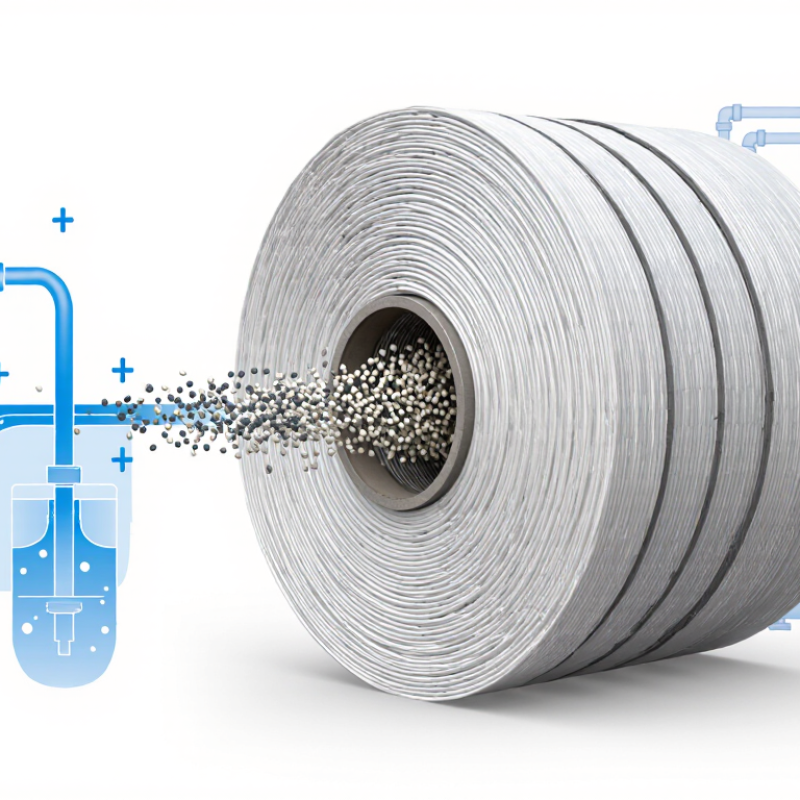
String wound filter cartridges use yarn wrapped around a central core. The winding creates layered passages with different densities. Larger particles remain near the outer surface. Finer particles travel deeper into the cartridge. This design supports sediment removal in water, chemicals, and process fluids.
Cartridge performance depends on fiber material, winding pattern, and micron rating. Nominal ratings offer useful guidance, but they may not provide absolute particle removal. That distinction matters. The CDC recommends filters with an absolute rating of 1 micron or smaller for reducing certain protozoa, including Cryptosporidium. The WHO Guidelines for Drinking-water Quality also associate effective treatment with turbidity below 1 NTU. A filter cartridge alone cannot guarantee safe drinking water.
In field maintenance, operators often watch pressure drop more closely than the calendar. A rising differential pressure signals loading. However, waiting too long can damage flow stability. Selecting a cartridge requires checking fluid compatibility, temperature, viscosity, and required service life. The choice is not always perfect. Real systems contain changing sediments.
Tips: Confirm whether the rating is nominal or absolute. Measure inlet and outlet pressure. Replace the cartridge before bypass risk develops. Keep a simple replacement record.

Why Choose String Wound Filter Cartridges?
String wound filter cartridges are available in a broad range of nominal filtration ratings. Their depth-filtration structure helps capture suspended particles throughout the cartridge, while the graded pore structure supports high dirt-holding capacity.
The chart shows commonly available nominal filtration ratings for string wound cartridges, expressed in micrometres (µm). Actual performance depends on the filter material, winding density, fluid properties, operating conditions, and manufacturer specifications.
How String Wound Filters Capture Contaminants
String wound filter cartridges remove contaminants through a carefully layered path. Their wrapped fibers create channels that trap suspended particles as liquid moves inward. Larger particles collect near the outer surface, while finer particles settle deeper within the winding. This depth filtration helps maintain useful dirt-holding capacity. In practical water-treatment checks, the cartridge often shows a gradual color change from outside to inside. The pattern can reveal the main contamination load. Flow becomes visibly calmer. However, performance depends on fiber density, liquid viscosity, and operating pressure. A cartridge selected only by micron rating may disappoint.
Tips: Check the liquid before choosing a cartridge. Note its temperature, viscosity, and visible sediment. Install the filter with clean hands and confirm the housing seal. Monitor pressure during operation. A rising pressure difference usually signals loading, not improved filtration. Replace the cartridge before flow becomes severely restricted. Small details matter. Record replacement dates and pressure readings, even when the system seems stable.
String wound filters suit applications where sediment varies throughout the process. They can capture sand, rust, scale, and other non-dissolved particles. Their graded structure may reduce sudden surface blockage compared with a simple surface filter. Still, no cartridge captures every contaminant. Dissolved chemicals and microorganisms may require different treatment stages. This limitation deserves attention. In the field, operators sometimes wait too long because the liquid still looks clear. That habit can increase pressure stress and reduce process consistency. Regular inspection provides more reliable control than appearance alone.
Which Materials and Designs Are Available?
String wound filter cartridges are available in several materials, each suited to different fluids and operating conditions. Polypropylene offers broad chemical resistance and low extractables. Cotton can provide effective depth filtration for compatible water-based applications. Polyester is useful when stronger thermal and mechanical performance is needed. Glass fiber supports fine particle removal, but it requires careful compatibility checks. Nylon may suit certain solvent or process streams. Material selection should consider temperature, viscosity, pH, and cleaning methods, not just the target micron rating.
Design also changes filtration behavior. A tightly wound cartridge creates a controlled depth path, while variable-density winding can capture larger particles near the surface and finer particles deeper inside. Grooved surfaces may increase dirt-holding capacity. Different core materials, lengths, diameters, and end configurations support various housings. Some cartridges use a rigid inner core for higher pressure resistance. Others prioritize flow and economical replacement. A higher micron rating is not automatically better.
In practical filter selection, nominal and absolute ratings must be separated. They describe different performance expectations. Flow testing with the actual fluid remains more reliable than relying on a catalog number. I have found that viscosity often changes results more than expected. That detail is easy to overlook. Chemical compatibility tables are helpful, but they cannot replace testing under real pressure and temperature. The first choice may need revision. That is normal.
Where Are String Wound Cartridges Commonly Used?
Why Choose String Wound Filter Cartridges?
Where Are String Wound Cartridges Commonly Used?
String wound filter cartridges are common in water pretreatment systems, especially where sand, rust, silt, and pipe debris must be reduced. Their tightly wrapped fibers create a graded depth structure. Larger particles remain near the outer surface, while finer particles move deeper into the cartridge. This design can support longer service intervals than a simple surface filter, although results depend on water quality and flow conditions.
They are also used in food and beverage processing, chemical preparation, metal finishing, and industrial wash systems. Operators often install them before pumps, membranes, filling equipment, or sensitive spray nozzles. In a workshop, a cartridge may protect a small production line from visible sediment. In a larger plant, several housings can handle higher flow rates. However, they are not a universal answer. Sticky oils, heavy biological growth, or dissolved contaminants may require another filtration method.
Tips: Check the liquid temperature, chemical compatibility, flow rate, and target particle size before selection. Record pressure changes during operation. A sudden increase usually signals loading. Do not judge cartridge life by appearance alone. That can be misleading. Replacing cartridges too late may reduce equipment protection, while replacing them too early increases waste and operating costs. Careful testing is still necessary.
How to Select and Maintain the Right Cartridge
Why Choose String Wound Filter Cartridges?
How to Select and Maintain the Right Cartridge
String wound filter cartridges create a deep filtration path for suspended solids. Their layered construction can capture particles throughout the cartridge, not only on the surface. This design often suits water, process fluids, and liquids with changing particle loads. However, performance depends on choosing the correct cartridge, not simply the smallest micron rating.
Begin with the fluid, contaminant, flow rate, and operating temperature. Confirm chemical compatibility before installation. Select the micron rating from actual test data when possible. A cartridge rated too tightly may reduce flow and increase pressure quickly. Check the housing length, diameter, end style, and pressure limits carefully. Small fitting errors can cause bypass or leakage. Field experience shows that real contamination often differs from initial assumptions.
Monitor differential pressure during operation. Replace the cartridge when pressure rises beyond the equipment guideline, or when flow becomes unstable. Do not wait for complete blockage. Before installation, inspect the cartridge for damaged threads, loose winding, or crushed ends. Flush the system after fitting, especially when process cleanliness matters. Record replacement dates and pressure readings. This simple record can reveal seasonal changes and prevent premature replacement. Still, no selection is perfect. A pilot test may expose problems that specifications miss. Rechecking the cartridge after several operating cycles is a practical step, not wasted effort.

