PARTS

  • Pod Parts

    Pod Parts (18)

    View Sub-Category

  • Replacement Glass

    Replacement Glass (19)

    View Sub-Category
  • PARTS

      PARTS

    • Pod Parts

      Pod Parts (18)

      View Sub-Category
    • Replacement Glass

      Replacement Glass (19)

      View Sub-Category

    Choosing a beginner vape kit

    Vape Starter Kits, in Minnesota and Beyond

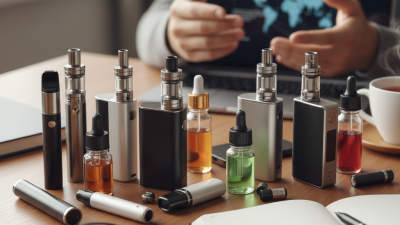
    The best eCig, Box Mods and Vape Starter kits are just around the corner, or a short ship time away. If you are looking to purchase the best beginner vape kit for your dollar.

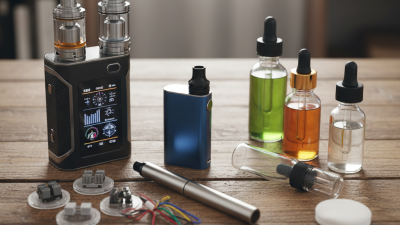
    Things often included in beginner vape kits, you might want to watch for.

    • Battery, or multiple batteries.
    • Clearomizer tanks
    • Replacement Coils
    • USB Charging Cable
    • AC Power Adapter
    • Free bottle of juice, or multiple
    • Blunt Needle tips
    Other things that might happen to be in a kit, will depend on the kind of device it's focusing on. Variable voltage devices, and more Intermediate starter kits, Sub-Ohm Kits may come with more serious attachments and add-ons.

    The key is to find the right balance between value and price.

    Of course you don't want to skimp, and have to re-buy a kit, but you do always have the opportunity to buy a more premium kit if you find you've graduated from past vape set-up. Things to think about as you choose, are whether the system will work other systems. - Some threading is specific to the brand and won't work with other devices, when you're looking at reviews check the source and make sure to weigh several reviews against each other and make an educated decision. Thanks for making Ecig Market your choice for Beginner Vape Kits in Brooklyn Center, Minnesota.

    2026 How to Buy Vaping Products in the United States?

    Vaping in the United States has gained immense popularity over recent years. With diverse flavors and devices, many people are turning to this alternative. However, buying vaping products requires knowledge of legal regulations and product safety. Consumers need to navigate a complex landscape of state and federal rules.

    Understanding where to buy vaping products is crucial. Local smoke shops, online retailers, and vape shops offer different experiences. Each has its pros and cons. While local shops provide immediate access, online options may offer better prices and variety. Yet, the reliability of sellers is vital. Not all products on the market are safe.

    As the industry evolves, regulations continue to change. Misleading marketing and counterfeit products present risks. Awareness of such issues can save consumers from making poor choices. It's essential to conduct thorough research before purchasing. Being informed helps users enjoy vaping responsibly and safely.
    2026 How to Buy Vaping Products in the United States?

    Understanding the Legal Age Requirements for Purchasing Vaping Products

    When considering vaping products, understanding the legal age requirements is crucial. In the United States, the minimum age to purchase vaping products is 21 years. This requirement is set by federal law and also supported by many state regulations. The law aims to prevent underage access to nicotine and promote public health.

    Potential buyers should be aware of the identification needed for purchases. Most retailers require a government-issued ID to verify age. This step helps ensure compliance with the law but can lead to situations where buyers might be unprepared. For instance, forgetting an ID can prevent a legal purchase and cause frustration.

    Many young adults might feel impacted by these age restrictions. Some argue that they should be allowed to make personal choices. This viewpoint raises important discussions about personal responsibility and public health. Ultimately, these regulations exist to protect the youth from the risks of nicotine addiction. Being informed and prepared is key for those eligible to buy vaping products.
    Exploring State-Specific Regulations on Vaping Product Sales

    2026 How to Buy Vaping Products in the United States?

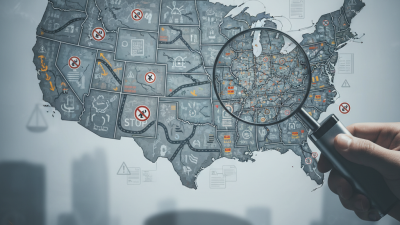
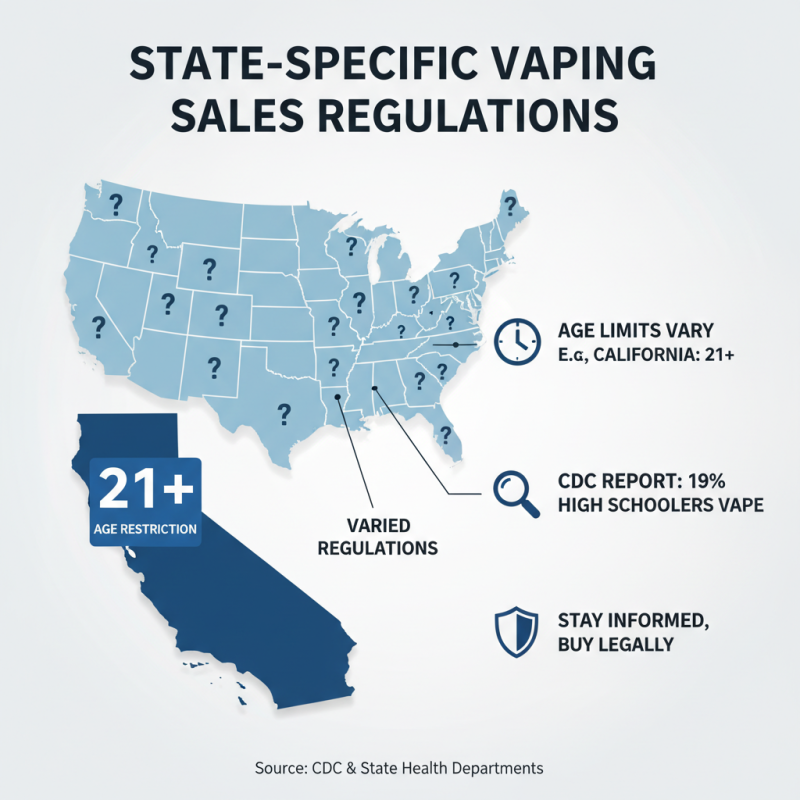
    In the United States, vaping regulations vary significantly by state. Some states impose strict age limits. For instance, California mandates that buyers must be at least 21. This mirrors national trends, where the CDC reports that about 19% of high school students have tried vaping. Understanding these regulations is crucial for safe and legal purchasing.

    Beyond age restrictions, other laws govern where vaping products can be sold. States like New York have additional licensing requirements for retailers. A report from the National Association of Attorneys General highlights that over 30 states restrict online sales of vaping products. These regulations aim to deter youth access and ensure responsible distribution.

    Navigating the legal landscape is complex. Some states have limited product flavors to combat underage usage. Research suggests that flavored products are more appealing to younger audiences. Thus, potential buyers should be aware of their local laws. This oversight reflects broader concerns about health impacts and public safety. Compliance is not just a matter of convenience; it’s essential for community well-being.

    Identifying Reputable Retailers for Vaping Products in the U.S.

    When seeking reputable retailers for vaping products in the United States, consider several key factors. Research is vital. Turn to online reviews and community forums to gauge customer experiences. Look for retailers with a solid track record and positive feedback. Engaging with other vapers can provide first-hand insights.

    Quality assurance is another important aspect. Reputable retailers often provide details on product sourcing and testing. This transparency builds trust. Aim for stores that clearly display testing results for their products. It reflects their commitment to safety and quality. Remember, not all shops prioritize these standards.

    Physical locations should also be explored. Visiting stores allows you to inspect products and speak with knowledgeable staff. A well-informed team can guide you through various options. However, keep in mind that not every employee may meet your expectations. Take your time to find a retailer that aligns with your needs and values. Finding the right place may not be easy, but it significantly impacts your vaping experience.

    2026 How to Buy Vaping Products in the United States? - Identifying Reputable Retailers for Vaping Products in the U.S.

    Retailer Type Location Online Availability Product Range Customer Reviews
    Specialty Vape Shops Nationwide Yes Wide variety, including devices and e-liquids Typically high ratings, knowledgeable staff
    Convenience Stores Urban Areas Limited Basic products, often popular brands Varies, convenience over selection
    Online Retailers Everywhere Yes Extensive selections, often at competitive prices Customer feedback available, varies widely
    Gas Stations Highway Locations Limited Basic vaping essentials Generally low, primarily for quick purchases
    Pharmacies Urban and Suburban Limited Health-focused options Mixed reviews, focus on health

    Comparing Online vs. In-Store Purchases of Vaping Products

    2026 How to Buy Vaping Products in the United States?

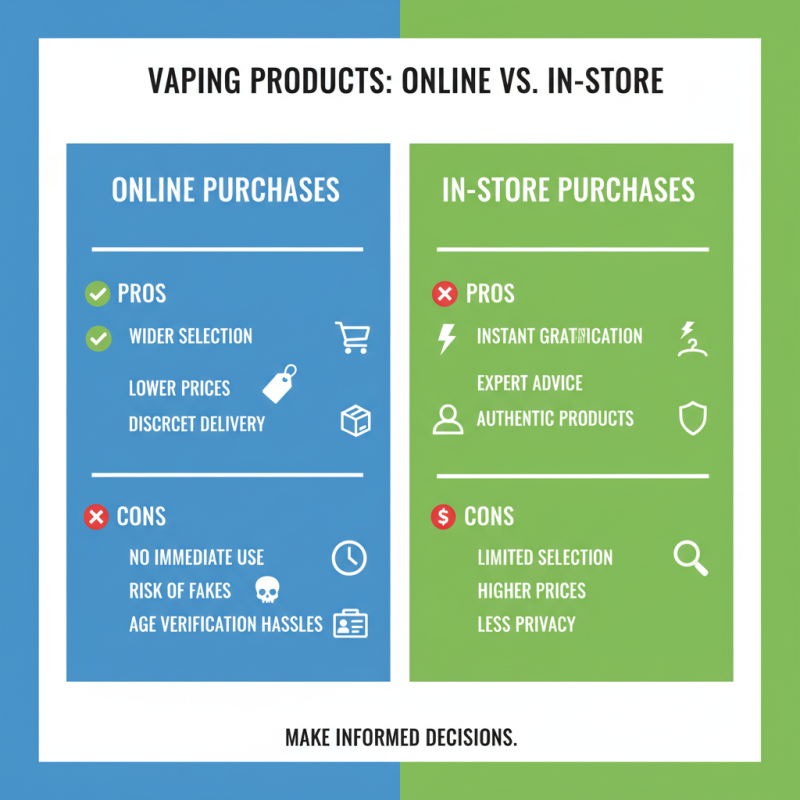
    Buying vaping products can be an overwhelming experience. Many consumers face a choice: online or in-store purchases. Each option has its merits and drawbacks. Understanding these can help you make informed decisions.

    Shopping online offers convenience at your fingertips. You can browse an extensive range of products from home. However, it often lacks tactile experience. You can't physically check the product or ask immediate questions. This can lead to uncertainties, especially for first-time users. Prices may vary, which could confuse the selection process.

    In-store shopping provides a hands-on approach. You can interact with staff for expert advice. It also allows you to examine products closely before buying. However, in-store options might be limited by location. Sometimes, sales staff may not fully understand all the products, leaving questions unanswered.

    **Tips for online purchases include** checking user reviews and ratings to gauge reliability. Look for websites with clear return policies and customer support. For in-store shopping, visiting multiple locations can help. Don't hesitate to ask about the products and their features. Aim for a balance of information from various sources for the best experience.

    Analyzing the Impact of Taxation on Vaping Products Across States

    In recent years, the vaping industry has seen varied taxation policies across the United States. Each state imposes different tax rates on vaping products, affecting consumer prices significantly. According to the Campaign for Tobacco-Free Kids, states like Illinois and New York have implemented high excise taxes, reaching up to 80%. This taxation strategy aims to curb nicotine use among youth but can also lead to increased prices that may discourage users.

    Understanding these taxation impacts is crucial. In states with lower taxes, such as North Carolina, prices are often more affordable, attracting more buyers. However, this can promote increased usage, particularly among young adults. The price discrepancies create a complex landscape for consumers navigating their vaping options.

    **Tips:**
    Consider researching local tax rates before making a purchase. Websites that track taxation can provide up-to-date information. Also, be cautious of how state taxes can influence product accessibility. It's wise to explore various local retailers to find the best deals on vaping products. Remember that while affordability is important, health considerations should also guide your choices.

    Taxation Impact on Vaping Products Across Different States in 2026

    This chart illustrates the taxation rates on vaping products in selected states across the United States in 2026. Higher tax rates can significantly impact the purchasing behavior of consumers. States with more substantial taxation may experience a decrease in sales and accessibility compared to states with lower taxes.