

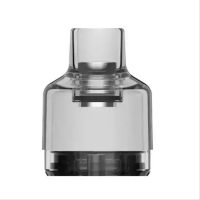
Pod Parts (18)
View Sub-Category
Replacement Glass (19)
View Sub-CategoryPARTS
Choosing a beginner vape kit
Vape Starter Kits, in Minnesota and Beyond
The best eCig, Box Mods and Vape Starter kits are just around the corner, or a short ship time away. If you are looking to purchase the best beginner vape kit for your dollar.Things often included in beginner vape kits, you might want to watch for.
- Battery, or multiple batteries.
- Clearomizer tanks
- Replacement Coils
- USB Charging Cable
- AC Power Adapter
- Free bottle of juice, or multiple
- Blunt Needle tips
The key is to find the right balance between value and price.
Of course you don't want to skimp, and have to re-buy a kit, but you do always have the opportunity to buy a more premium kit if you find you've graduated from past vape set-up. Things to think about as you choose, are whether the system will work other systems. - Some threading is specific to the brand and won't work with other devices, when you're looking at reviews check the source and make sure to weigh several reviews against each other and make an educated decision. Thanks for making Ecig Market your choice for Beginner Vape Kits in Brooklyn Center, Minnesota.How to Find the Famous Shop for Global Sourcing?
Finding the famous shop for global sourcing requires more than a polished website or thousands of followers. A memorable name can attract attention, but reliable sourcing depends on evidence. Martin Christopher, a leading supply-chain scholar, wrote, “Supply chain management is the management of upstream and downstream relationships with suppliers and customers to deliver superior customer value at less cost to the supply chain as a whole.” His point remains practical. The right partner must create value across the entire chain, not only offer a low quotation.
Look beyond the storefront. Check the company’s legal registration, factory address, production capacity, quality records, and export experience. Request current product samples. Compare them with the approved specification under ordinary lighting. Ask who owns the factory. Confirm whether production is outsourced. Small details matter. A missing batch code can create serious traceability problems. Unclear Incoterms can also turn a cheap offer into an expensive shipment. Compliance matters too, including product safety, customs documentation, ethical labor practices, and destination-country requirements.
The famous shop should communicate clearly before receiving payment. Its representatives should explain lead times, inspection procedures, warranty limits, and corrective actions. Speak with recent business customers, where possible. Do not rely on testimonials alone. They can be incomplete.
A cautious buyer may seem slow. That is acceptable. Global sourcing rewards disciplined questions, not excitement. Yet even careful research has limits. Markets change, suppliers reorganize, and online information becomes outdated. Recheck critical facts before every major order. A strong sourcing decision is never based on fame alone. It is built through visible evidence, practical experience, and the willingness to reconsider an attractive deal.

Defining What Makes a Shop Famous in Global Sourcing
A famous shop in global sourcing is not simply the one with the most views or colorful product photos. It earns recognition through consistent performance, clear information, and dependable communication. Buyers should examine product specifications, material details, production capacity, and delivery records. A busy shop can still be unreliable.
From practical sourcing work, I have found that response quality matters early. Does the seller answer technical questions directly? Can it provide samples, inspection records, and updated compliance documents? Reliable shops explain limitations instead of promising everything. They also maintain stable packaging, labeling, and quality standards across repeated orders. Small details reveal much.
Look beyond popularity.
Customer reviews are useful, but they need context. Recent feedback, order frequency, dispute patterns, and response times offer stronger evidence than a high rating alone. A shop with fewer reviews may have deeper expertise in a specific product category. My first evaluation checklist was too rigid; I once rejected a capable supplier because its online presentation looked plain. That judgment was unfair. A famous shop should be measured by traceable evidence, not visual excitement. Buyers should compare records, request a small trial order, and document every agreed detail. Even then, risk never disappears. Human mistakes, seasonal pressure, and unclear specifications can still affect results.
How to Find the Famous Shop for Global Sourcing? - Defining What Makes a Shop Famous in Global Sourcing
A practical evaluation framework for identifying reputable global-sourcing shops without relying on company names or brand recognition.
| Evaluation Dimension | Measurable Indicator | Recommended Screening Benchmark | Why It Matters in Global Sourcing | How to Verify It | Assessment |
|---|---|---|---|---|---|
| Operating History | Years actively serving international buyers | 5+ years of documented export activity | A longer operating history generally provides more evidence of stable processes, supplier relationships, and international transaction experience. | Review business registration records, export documents, trade references, and dated product or transaction records. | Core Criterion |
| Buyer Reputation | Verified transaction reviews and rating consistency | At least 50 verified transactions and an average rating of 4.5/5 or higher | A large and consistent review history is more reliable than a small number of highly positive testimonials. | Check verified purchase records, review dates, review detail, complaint patterns, and responses to negative feedback. | High Priority |
| Response Performance | Average response time during pre-order communication | Initial response within 24 hours on business days | Fast, accurate communication reduces delays in specifications, quotations, samples, and order changes. | Send the same technical inquiry to several shops and record response time, completeness, and consistency. | Core Criterion |
| Product Quality | Defect rate measured during inspection | Target defect rate at or below 1% for repeat production | Low defect levels help reduce rework, customer returns, warranty costs, and reputational risk. | Use pre-shipment inspection, approved samples, product specifications, and an agreed acceptance-quality limit. | Critical |
| Order Fulfillment | Percentage of orders shipped within the confirmed schedule | On-time shipment rate of 95% or higher | Reliable fulfillment supports inventory planning, launch schedules, and downstream customer commitments. | Compare confirmed shipment dates with actual shipping records across multiple completed orders. | High Priority |
| Export Capability | Experience with international shipping documentation and delivery terms | Able to provide commercial invoices, packing lists, HS codes, and agreed Incoterms | Accurate export documentation reduces customs delays, unexpected charges, and clearance problems. | Request a sample document set and confirm the proposed Incoterm, transport mode, and customs responsibilities. | Core Criterion |
| Market Coverage | Number of countries or regions served with documented orders | Evidence of successful deliveries to at least 10 international markets | Multi-market experience can indicate familiarity with different regulations, packaging requirements, and buyer expectations. | Request anonymized shipping records, regional compliance examples, or references from comparable markets. | Supporting Criterion |
| Compliance Readiness | Availability of relevant test reports, declarations, and certifications | Current documentation matched to the destination market and product category | Compliance documents help demonstrate that products meet applicable safety, labeling, environmental, or technical requirements. | Check issuing laboratory details, report dates, product-model consistency, test standards, and document validity. | Critical |
| Customization Ability | Capacity to support specifications, packaging, labeling, and sample revisions | Can provide a documented sample process with defined revision stages | Clear customization procedures reduce misunderstandings and ensure that mass production follows the approved specification. | Review technical drawings, sample approval records, packaging proofs, and change-control procedures. | High Priority |
| Minimum Order Flexibility | Minimum order quantity compared with the buyer’s forecast | MOQ is no higher than approximately 25% of the first realistic order forecast | A manageable MOQ lowers inventory exposure and allows buyers to validate demand before scaling. | Compare MOQ, sample quantity, pilot-order terms, production capacity, and volume-pricing tiers. | Supporting Criterion |
| Payment Protection | Use of traceable payment methods and clearly defined milestones | Written terms specify deposit, balance, inspection conditions, refund rules, and dispute procedures | Transparent payment structures reduce financial risk and create an evidence trail if a dispute occurs. | Review the pro forma invoice, contract, payment channel, beneficiary details, and dispute-resolution terms. | Critical |
| After-Sales Support | Documented process for claims, replacements, refunds, and technical assistance | Claim acknowledgement within 2 business days and a written resolution timeline | Effective after-sales support protects the buyer when defects, shortages, transport damage, or specification disputes occur. | Request the claims policy and test the support process with a realistic hypothetical case. | High Priority |
| Supply Continuity | Ability to maintain quality and lead time during repeat orders | Documented production capacity, backup sourcing, and continuity procedures | Continuity planning helps prevent stockouts and quality changes caused by material shortages or operational disruption. | Ask about capacity allocation, critical raw materials, backup suppliers, and production contingency plans. | Supporting Criterion |
| Total Cost Transparency | Clarity of product price, tooling, packaging, freight, duties, and other charges | Quotation identifies all known costs and separates one-time from recurring fees | A transparent quotation prevents artificially low headline prices from becoming expensive landed costs. | Build a landed-cost comparison using the same quantity, Incoterm, destination, packaging, and delivery assumptions. | Core Criterion |
| Long-Term Value | Repeat-order rate, stable pricing, and continuous improvement evidence | At least 30% repeat-order share is a useful positive signal, subject to category and market differences | Repeat business can indicate that buyers are satisfied with quality, communication, delivery, and commercial terms. | Request anonymized repeat-order statistics and compare historical prices, lead times, defect rates, and corrective actions. | Final Indicator |
Interpretation: The benchmarks above are practical buyer-side screening thresholds rather than universal legal requirements. Final qualification should be based on product-specific regulations, independent inspection, verified documentation, landed-cost analysis, and a controlled trial order.
Related Posts
-

Top Famous Shops You Must Visit Around the World?
-

How to Find the Famous Shop in Your City?
-
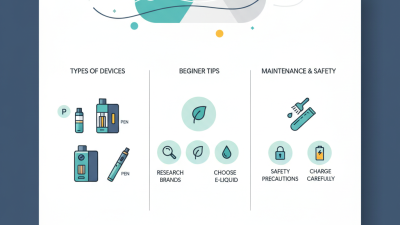
Top Vaping Best Devices Trends and Tips for Beginners?
-

How to Source Premium Juice in 2026?
-

Top 10 Best Liquids to Buy in an Online Shop for Your Needs?
-
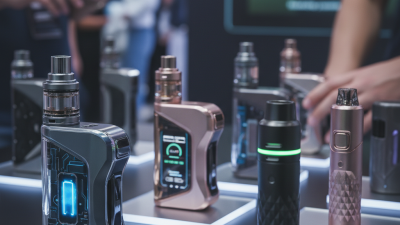
Top Vaping Hardware Options for Every Enthusiast in 2026?