
PARTS
Pod Parts (18)
View Sub-Category
Replacement Glass (19)
View Sub-CategoryPARTS
Choosing a beginner vape kit
Vape Starter Kits, in Minnesota and Beyond
The best eCig, Box Mods and Vape Starter kits are just around the corner, or a short ship time away. If you are looking to purchase the best beginner vape kit for your dollar.Things often included in beginner vape kits, you might want to watch for.
- Battery, or multiple batteries.
- Clearomizer tanks
- Replacement Coils
- USB Charging Cable
- AC Power Adapter
- Free bottle of juice, or multiple
- Blunt Needle tips
The key is to find the right balance between value and price.
Of course you don't want to skimp, and have to re-buy a kit, but you do always have the opportunity to buy a more premium kit if you find you've graduated from past vape set-up. Things to think about as you choose, are whether the system will work other systems. - Some threading is specific to the brand and won't work with other devices, when you're looking at reviews check the source and make sure to weigh several reviews against each other and make an educated decision. Thanks for making Ecig Market your choice for Beginner Vape Kits in Brooklyn Center, Minnesota.How to Choose the Best Inflatable Boat Platform?
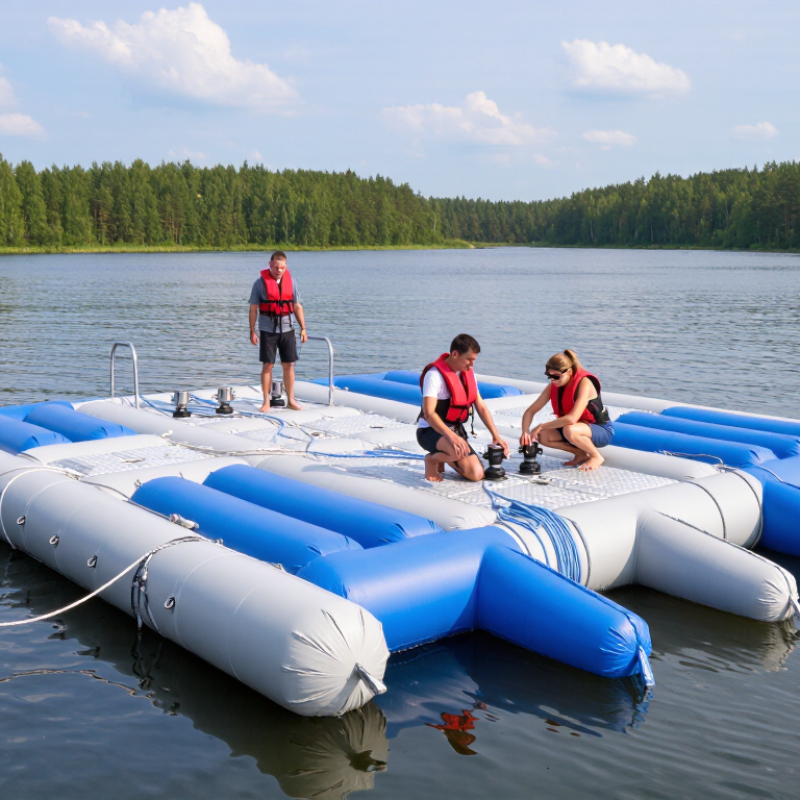
Choosing the best Inflatable Boat Platform is not simply a matter of comparing prices, colors, or advertised weight limits. The right platform must match your boat, passengers, launch site, and intended use. A calm lake requires different priorities from a tidal shoreline with sharp rocks and changing wind. Small details matter. Check the platform’s width, flotation chambers, deck texture, attachment points, and packed size before making a decision.
Marine systems author Nigel Calder offers a useful principle: “Choose equipment for the conditions you will actually face, not the conditions you wish for.” That warning applies directly to an Inflatable Boat Platform. A wide platform may improve boarding stability, but it can also add drag and storage difficulty. A lightweight model may be easier to carry, yet feel less rigid under several passengers. There is no perfect design.
This guide examines construction materials, buoyancy, load capacity, stability, portability, and safety features. It also considers practical experiences, such as wet hands on a slippery deck or a platform shifting during boarding. Manufacturer claims deserve careful checking. Real-world performance can differ from laboratory figures. I have found that installation quality matters almost as much as product quality. A strong platform can still perform poorly when straps are loose or fittings are mismatched. The best choice is therefore the one that fits your boat and habits honestly, even if it costs more or looks less impressive. Reliability begins with realistic expectations.
Understanding Inflatable Boat Platform Types and Their Main Uses
How to Choose the Best Inflatable Boat Platform?
Inflatable boat platforms usually fall into three practical types: air-deck, slatted-floor, and rigid-panel designs. Air-decks use high-pressure drop-stitch material, creating a firm surface with low weight. They suit fishing trips, tender boats, and easy transport. Slatted floors roll up quickly and provide better stability than a soft floor. However, they can feel less comfortable under bare feet. Rigid-panel platforms offer the strongest support for heavier equipment, frequent launches, and longer sessions on the water. Their extra weight can make carrying and storage inconvenient.
Tips: Match the platform to your main use, not its appearance. Check the stated load capacity, floor dimensions, valve quality, and repair access. On a windy shoreline, I prefer a wider platform with a textured surface. Wet feet need grip. Test the setup on land before launching. A platform that feels stable beside the car may flex noticeably on moving water. Also inspect seams, attachment points, and inflation pressure before every trip. Small leaks become serious problems quickly.
Experience matters here. I once underestimated storage space and chose a rigid floor that barely fit inside my vehicle. It worked well on the water, but setup became tiring. That decision was not entirely wise. Consider transport distance, carrying strength, water conditions, and expected passengers. A lighter platform may be the better choice for short recreational outings, while a reinforced design suits regular use and heavier loads. Always follow the manufacturer’s safety instructions and local boating requirements.

Assessing Size, Weight Capacity, Stability, and Available Space
How to Choose the Best Inflatable Boat Platform?
Assessing Size, Weight Capacity, Stability, and Available Space
Size should match both your boat and your launching routine. Measure the tube diameter, beam, attachment points, and storage area before shopping. A platform that extends too far can catch waves and twist its fittings. The NMMA’s 2023 U.S. Recreational Boating Statistical Abstract recorded about 11.6 million registered recreational vessels. That scale shows how varied onboard space can be. Inflatable boats need unusually careful measurements.
Weight capacity includes people, fuel, batteries, coolers, and the platform itself. Do not treat the advertised limit as a comfortable working load. Leave a safety margin, especially when passengers stand or equipment shifts. The ISO 6185 series emphasizes construction, buoyancy, and safe loading requirements for inflatable boats. However, standards do not replace practical water testing. Stability changes quickly when weight sits high or near one side.
Tips: Place heavy items low and centrally. Test the platform beside a dock first. Check every strap under load. Record the waterline before and after loading. A 20 percent reserve is a sensible starting point, but it is not universal. I have seen a compact platform feel stable in calm water, then become awkward with one moving passenger. That detail is easy to underestimate. Available space matters too. Keep clear access for paddles, valves, drains, and emergency movement. A perfect fit on paper may still feel cramped.
Comparing Materials, Construction Quality, and Safety Features
How to Choose the Best Inflatable Boat Platform?
Comparing Materials, Construction Quality, and Safety Features
Material choice affects durability, weight, grip, and maintenance. Reinforced PVC is usually affordable, light, and simple to repair. It performs well in moderate sunlight and regular recreational use. Synthetic rubber-coated fabric often tolerates abrasion, heat, and harsh exposure better. However, it can cost more and feel heavier during transport. No material is perfect. Look closely.
Construction quality matters more than appearance. Check whether seams are heat-welded or carefully bonded, then inspect every corner for even finishing. A reliable platform should have firm internal baffles and a stable, non-slip surface. Thick attachment points reduce tearing around handles, rings, and towing connections. Test the air valves before purchase. Loose valves can cause slow leaks, especially after repeated inflation.
I once focused too much on fabric thickness and overlooked weak seams. That was a poor judgment.
Safety features should match the platform’s real use and expected load. Confirm the rated capacity, then leave a practical margin for people, equipment, and movement. Wide grab handles, perimeter lines, and visible markings improve control in wet conditions. Pressure relief valves can prevent damage from overheating, but they do not replace regular checks. Choose a design with accessible repair materials and clear maintenance instructions. Review recognized safety standards where applicable. A bright color helps visibility, yet it cannot correct poor stability. Test the platform gently in shallow water before trusting it offshore.
Something may look secure but shift unexpectedly.
Checking Inflation Systems, Portability, Storage, and Maintenance Needs
How to Choose the Best Inflatable Boat Platform?
An inflatable boat platform should fit your real routine, not an imagined adventure. Check whether the inflation system uses dependable valves, a suitable pump, and a readable pressure gauge. I prefer platforms that inflate evenly and hold pressure for several hours. Uneven chambers can make the surface feel unstable. Follow the manufacturer’s pressure range carefully. Too much air may strain seams, while too little air reduces support.
Portability matters when the launch point is far from your vehicle. Look for carry handles, manageable packed weight, and a storage bag that protects the folded material. Measure your storage space before buying. I once underestimated the platform’s rolled size, and it occupied an entire closet. Let the platform dry completely before packing it. Trapped moisture can create unpleasant odors and encourage surface damage. Inspect seams, valves, and connection points after each outing.
Tips: Keep a repair kit, spare valve parts, and a soft brush nearby. Rinse away salt, sand, and mud with clean water. Avoid dragging the platform across sharp ground. Store it loosely folded in a cool, shaded place. Pressure checks take minutes. They can prevent a difficult return trip. My maintenance routine is still imperfect, but regular inspections have reduced surprises. Recheck the setup before every launch, especially after long storage.
| Platform Type | Typical Construction | Inflation System | Typical Inflation Time* | Portability | Packed Storage | Stability and Use | Maintenance Needs | Best Suited For |
|---|---|---|---|---|---|---|---|---|
| Inflatable Floor Platform | Drop-stitch or reinforced air chambers with an inflatable floor and perimeter tubes. | High-pressure valve system, commonly using a hand pump, foot pump, or electric pump with a pressure gauge. | Approximately 8–15 minutes, depending on size and pump type. | ★★★★★ | Usually folds into a carry bag and can fit in a vehicle trunk or storage locker. | Good balance of weight, buoyancy, and comfort; suitable for calm water, fishing, and short recreational trips. | Rinse with fresh water, dry fully, inspect valves and seams, and maintain the recommended air pressure. | Users who prioritize low weight, quick setup, and compact storage. |
| Rigid-Slat Inflatable Platform | Inflatable side tubes combined with removable wood, aluminum, or composite floor slats. | Separate inflation of the buoyancy tubes; the floor is assembled manually. | Approximately 10–20 minutes, excluding floor assembly. | ★★★★☆ | More compact than a rigid boat, but the slats require additional storage space. | Provides a firmer walking surface and improved load distribution; suitable for tender use and light equipment. | Dry both tubes and slats, check hardware for corrosion, and examine floor joints and attachment points. | Users needing a firmer floor without transporting a fully rigid hull. |
| Air-Deck Inflatable Boat | High-pressure inflatable floor made from drop-stitch material, usually with inflatable side tubes. | High-pressure pump with a pressure gauge; correct pressure is important for floor stiffness. | Approximately 8–18 minutes, depending on floor area and pump output. | ★★★★☆ | Folds relatively small after deflation, although the high-pressure floor may be thicker when rolled. | Comfortable underfoot and generally more rigid than a basic fabric floor; appropriate for recreation and light cruising. | Protect the floor from sharp objects, avoid prolonged overpressure, and store clean, dry, and loosely rolled. | Users seeking a comfortable surface with a good stiffness-to-weight ratio. |
| Catamaran-Style Inflatable Platform | Two parallel inflatable hulls connected by a deck, frame, or tensioned floor system. | Multiple air chambers, often requiring a pressure gauge and several inflation connections. | Approximately 12–25 minutes, depending on the number of chambers. | ★★★☆☆ | Requires more bag space than a single-hull design because of the larger deck and multiple components. | Good initial stability and efficient tracking; suitable for calm-water fishing, exercise, and recreational use. | Inspect every chamber, connection, and deck attachment; rinse salt and sand from frame or fittings after use. | Users who value stability and a spacious deck over minimum packed size. |
| Inflatable Fishing Platform | Reinforced PVC or coated-fabric tubes with an air floor, rigid inserts, or a modular accessory deck. | Separate chambers with Boston-style or high-pressure valves; an electric pump can reduce setup effort. | Approximately 10–25 minutes, depending on accessories and deck configuration. | ★★★☆☆ | Accessories such as seats, rod holders, and frames increase the number of parts and storage volume. | Designed for seated stability and gear organization; should be used within its stated load capacity. | Remove hooks and sharp tackle before packing, clean fish residue promptly, and check abrasion areas regularly. | Anglers who need stability, accessory mounting points, and organized equipment storage. |
| Inflatable Rescue or Work Platform | Heavy-duty multi-chamber construction with reinforced seams, grab lines, and high-load attachment points. | High-capacity electric or foot pump, followed by pressure verification with a gauge. | Approximately 15–30 minutes, depending on size and chamber count. | ★★☆☆☆ | Large packed volume and higher weight; may require a dedicated transport container or trolley. | Prioritizes buoyancy, durability, and load capacity rather than maximum speed or compactness. | Requires frequent seam, valve, grab-line, and abrasion inspection; rinse, dry, and repair damage before reuse. | Users handling equipment, passengers, or demanding near-shore work where durability is essential. |
| Compact Packraft-Style Platform | Lightweight coated-fabric hull with an integrated inflatable seat or floor. | Inflation bag or compact hand pump; generally operates at lower pressure than a drop-stitch floor. | Approximately 3–8 minutes. | ★★★★★ | Very small packed size and low weight; suitable for backpacks and limited storage areas. | Highly portable but usually offers less deck space and lower load capacity than larger platforms. | Keep fabric away from sharp rocks, dry thoroughly, and inspect coated-fabric seams and valves. | Travelers, hikers, and users who place maximum importance on portability. |
Selecting the Best Platform for Your Boat, Activities, and Budget
How to Choose the Best Inflatable Boat Platform?
Selecting the Best Platform for Your Boat, Activities, and Budget
An inflatable boat platform should match your boat, not merely look spacious. Start with the boat’s dimensions, tube shape, floor height, and recommended load. Measure the usable deck area while the boat is fully inflated. This prevents awkward gaps and unstable contact points. Stability matters. Choose a platform with a firm surface, secure attachment points, and materials suited to sun, saltwater, and frequent handling. Check the manufacturer’s load rating before adding people or equipment. Do not guess capacity.
Your activities should guide the platform’s shape and features. A compact platform may suit fishing in narrow coves, while a wider design offers better space for boarding or relaxing. For swimming, look for a low entry point and a textured surface that remains reliable when wet. For transport, consider weight and storage size. A platform that is difficult to carry may stay unused. I once chose a wide model that seemed practical, but it consumed too much storage space and shifted during boarding. The mistake was mine.
Budget beyond the purchase price. Include an air pump, straps, repair materials, and possible replacement parts. Compare construction quality rather than choosing the lowest number. Reinforced seams and dependable valves often reduce maintenance over time. Still, expensive does not always mean suitable. Test the platform in shallow water first, with a light load and calm conditions. Recheck the fittings after several uses. Small movement can reveal a larger compatibility problem.
Higher scores indicate stronger suitability for the selected criterion. Air floors prioritize portability and fast setup, slatted floors offer a balanced everyday option, aluminum floors provide greater rigidity and stability, while high-pressure drop-stitch floors combine low weight with improved firmness. Actual performance depends on boat size, load, water conditions, and construction quality.

