

Pod Parts (18)
View Sub-Category
Replacement Glass (19)
View Sub-CategoryPARTS
Choosing a beginner vape kit
Vape Starter Kits, in Minnesota and Beyond
The best eCig, Box Mods and Vape Starter kits are just around the corner, or a short ship time away. If you are looking to purchase the best beginner vape kit for your dollar.Things often included in beginner vape kits, you might want to watch for.
- Battery, or multiple batteries.
- Clearomizer tanks
- Replacement Coils
- USB Charging Cable
- AC Power Adapter
- Free bottle of juice, or multiple
- Blunt Needle tips
The key is to find the right balance between value and price.
Of course you don't want to skimp, and have to re-buy a kit, but you do always have the opportunity to buy a more premium kit if you find you've graduated from past vape set-up. Things to think about as you choose, are whether the system will work other systems. - Some threading is specific to the brand and won't work with other devices, when you're looking at reviews check the source and make sure to weigh several reviews against each other and make an educated decision. Thanks for making Ecig Market your choice for Beginner Vape Kits in Brooklyn Center, Minnesota.How to Choose the Best Carbon Fiber Supplier in 2026?
Choosing the best carbon fiber supplier in 2026 takes more than comparing prices or scanning a product catalog. A roll may look flawless under warehouse lights, yet vary in tow size, resin compatibility, or batch consistency. Those differences can affect machining, strength, and scrap rates. Small details matter.
Composite materials expert Dr. Stephen W. Tsai has emphasized how fiber direction and laminate design shape composite behavior. That principle offers a useful reminder: a supplier’s material must suit your part, process, and performance requirements. Ask for technical data sheets, traceable batch records, and test results tied to the grade you plan to buy. Check whether the supplier can explain tolerances, storage conditions, lead times, and what happens when a batch falls outside specification. A polished sample is not enough.
The strongest supplier relationship also depends on practical support. Can the team answer a question about prepreg out-time, recommend a fabric weight, or respond when production schedules shift? Request samples and evaluate them using your own process, not only the supplier’s claims. Compare total landed cost, but weigh it against yield, delivery reliability, and technical service. Be cautious of unusually broad promises. Some decisions will still involve trade-offs, and the “best” supplier may change as your design matures. This guide examines the checks that help buyers make a defensible choice—and the questions that are easy to overlook.
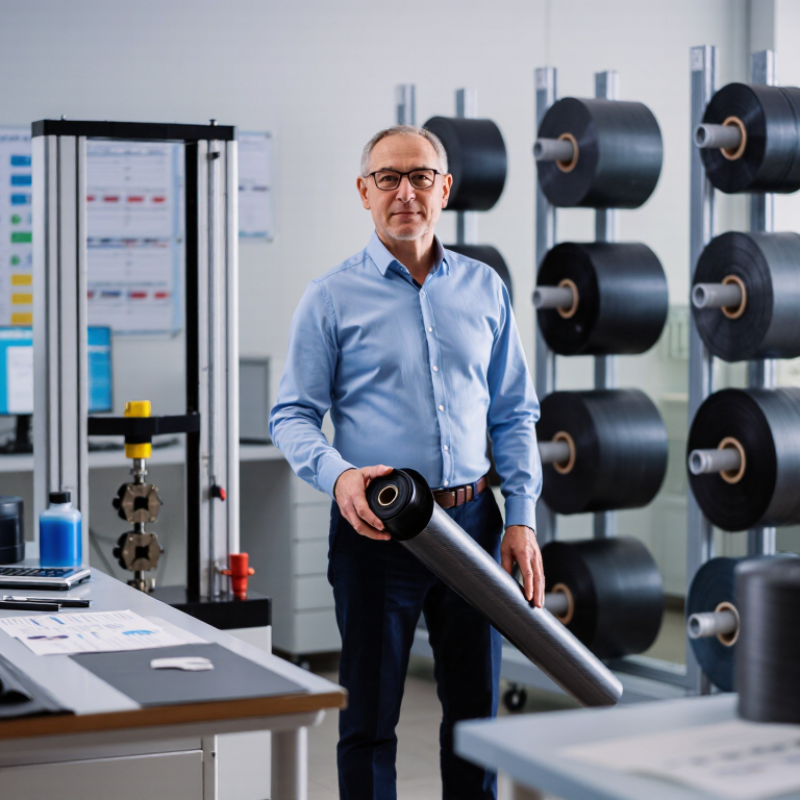
Define Your Carbon Fiber Requirements and Application Criteria
Before contacting suppliers, define what the part must do, not just that it should be lightweight. List the loads it will face, including bending, impact, vibration, and repeated cycling. Note operating temperatures, moisture, chemicals, UV exposure, and expected service life. A bike-frame tube, drone arm, and machine guard may need different layups, even when all use carbon fiber. Be specific.
Record the component’s shape, dimensions, target mass, and allowable deflection. Explain whether it will be molded, pultruded, filament-wound, or cut from sheet, and whether surface appearance matters. Specify the fiber form—woven cloth, unidirectional tape, or chopped fiber—and any resin requirements. If you know the load direction, include it; fiber orientation strongly affects stiffness and strength. Avoid choosing a grade before comparing relevant test data.
Ask for technical data tied to the intended test method, along with batch traceability and sample parts for evaluation. Check tolerances, void content, cure conditions, and inspection records where relevant. A headline strength figure may not predict performance in your component’s geometry. Test representative parts under realistic loads and temperatures. It takes time. Some requirements may change after the first prototype; record why each change was made.