PARTS

  • Pod Parts

    Pod Parts (18)

    View Sub-Category
  • Replacement Glass

    Replacement Glass (19)

    View Sub-Category
  • PARTS

      PARTS

    • Pod Parts

      Pod Parts (18)

      View Sub-Category
    • Replacement Glass

      Replacement Glass (19)

      View Sub-Category

    Choosing a beginner vape kit

    Vape Starter Kits, in Minnesota and Beyond

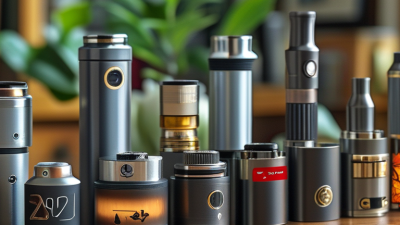
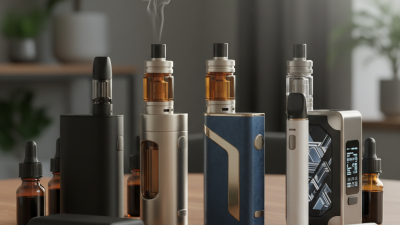
    The best eCig, Box Mods and Vape Starter kits are just around the corner, or a short ship time away. If you are looking to purchase the best beginner vape kit for your dollar.

    Things often included in beginner vape kits, you might want to watch for.

    • Battery, or multiple batteries.
    • Clearomizer tanks
    • Replacement Coils
    • USB Charging Cable
    • AC Power Adapter
    • Free bottle of juice, or multiple
    • Blunt Needle tips
    Other things that might happen to be in a kit, will depend on the kind of device it's focusing on. Variable voltage devices, and more Intermediate starter kits, Sub-Ohm Kits may come with more serious attachments and add-ons.

    The key is to find the right balance between value and price.

    Of course you don't want to skimp, and have to re-buy a kit, but you do always have the opportunity to buy a more premium kit if you find you've graduated from past vape set-up. Things to think about as you choose, are whether the system will work other systems. - Some threading is specific to the brand and won't work with other devices, when you're looking at reviews check the source and make sure to weigh several reviews against each other and make an educated decision. Thanks for making Ecig Market your choice for Beginner Vape Kits in Brooklyn Center, Minnesota.

    Top Types of Best Vaping Liquid for Global Buyers?

    Choosing the best vaping liquid for global buyers requires more than comparing flavors, prices, or attractive packaging. It requires careful attention to ingredients, manufacturing controls, product testing, and local regulations. This introduction examines popular liquid categories, including tobacco, menthol, fruit, dessert, nicotine-free, and balanced flavor profiles. Each category suits different preferences, but no liquid is universally best.

    Dr. Konstantinos Farsalinos, a cardiologist and vaping researcher, has stated, “Vaping is not harmless, but it is much less harmful than smoking.” That warning matters. Buyers should view vaping liquids as regulated consumer products, not harmless lifestyle accessories. Reliable products should display clear ingredient information, batch identification, manufacturer details, and appropriate safety warnings. Independent laboratory testing can also help verify nicotine strength, contamination controls, and consistency.

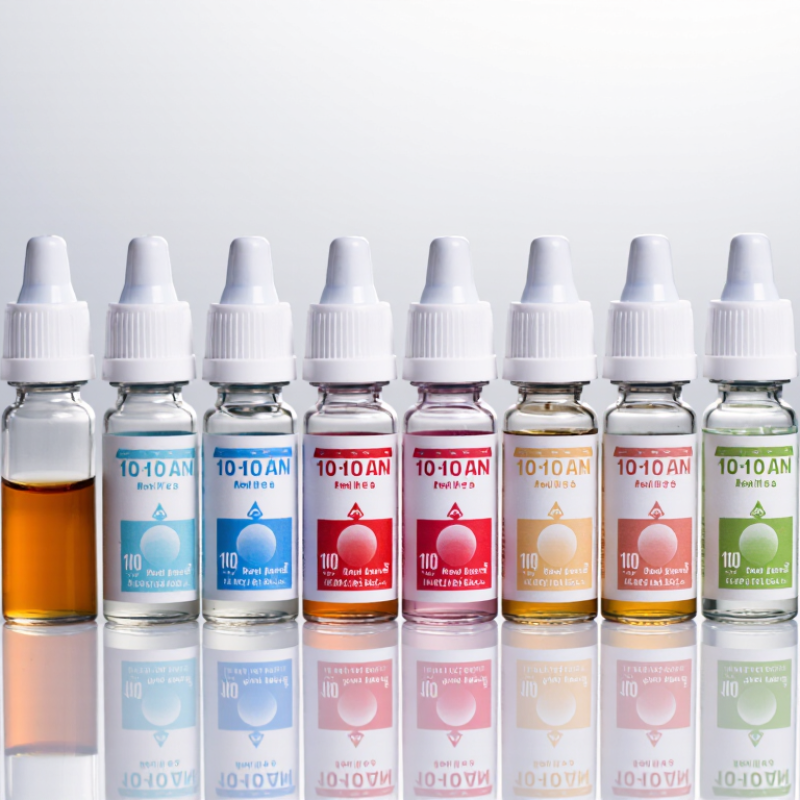
    A bottle should feel traceable. Think of a sealed 10-milliliter container, a readable production code, and a label that remains clear after handling. Buyers should also confirm whether the product is legally available in their country or region. Rules differ widely, and some markets restrict nicotine content, flavors, packaging, or online sales. The most appealing flavor may not be the most responsible choice.

    There are limitations. Product quality can vary between batches, even within one brand. Consumer reviews can reveal practical experiences, but they cannot replace laboratory evidence. This guide therefore compares the best vaping liquid options through a cautious, evidence-aware lens. Taste matters. So do transparency, consistency, and lawful distribution.
    Top Types of Best Vaping Liquid for Global Buyers?

    Understanding Vaping Liquid: Ingredients, Strengths, and Safety Basics

    Top Types of Best Vaping Liquid for Global Buyers?

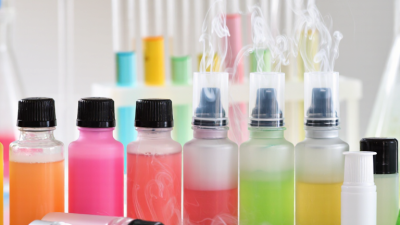
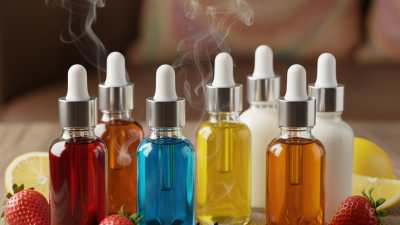
    Vaping liquid usually contains propylene glycol (PG), vegetable glycerin (VG), nicotine, and flavorings. PG carries flavor and creates a sharper throat sensation. VG produces denser clouds and feels smoother.

    Nicotine strength is commonly shown in milligrams per milliliter, or mg/mL. A higher number means greater exposure, not better quality.

    Nicotine salts can feel smoother at stronger levels. That may make overuse easier. The National Academies’ 2018 evidence review found that e-cigarette aerosol contains fewer toxicants than cigarette smoke, but it is not harmless.

    The report also found substantial evidence that nicotine causes dependence. Flavors do not remove that risk. They can also irritate sensitive airways.

    Safety details matter.

    Choose sealed containers, clear ingredient lists, and child-resistant packaging where legally required. Keep liquid away from children, pets, heat, and skin contact. Never ingest it. If liquid touches skin, wash promptly with soap and water.

    CDC’s 2024 National Youth Tobacco Survey recorded about 1.63 million U.S. middle and high school students using e-cigarettes, showing why secure storage deserves attention.

    Regulations and permitted nicotine strengths differ worldwide. Check local rules before buying. A neat label does not guarantee perfect testing. When numbers or ingredients seem unclear, I would treat that as a warning, not a bargain.

    Comparing the Main Types of Vaping Liquid by Device and User Needs

    Comparing vaping liquid starts with the device, not the flavor name. Pod systems usually suit thinner liquids with higher propylene glycol levels. Nicotine salt formulas often feel smoother at stronger nicotine concentrations, but local limits and age rules must be checked. Larger refillable tanks can handle higher vegetable glycerin ratios. These liquids create denser vapor and usually work better with lower nicotine strength. Device instructions matter. Using thick liquid in a small pod may cause weak wicking, dry hits, or leakage.

    User needs also differ. A former smoker may prefer a familiar throat sensation, while a sensitive user may choose a lower strength or nicotine-free option. Flavor preferences are personal, not scientific. I have found that cooling flavors can feel stronger than expected, even when the nicotine level is unchanged. There is no perfect formula. Comfort, battery use, and refill frequency all deserve attention.

    Tips: Check the label for nicotine strength, ingredients, batch details, and child-resistant packaging. Buy only from lawful, traceable sellers. Store liquid upright, away from children, pets, heat, and sunlight. Test a small amount before filling a full tank. If coughing, dizziness, nausea, or throat irritation appears, stop using it and seek qualified medical advice. Vaping liquids should never contain unlisted substances.

    Top Types of Best Vaping Liquid for Global Buyers? - Comparing the Main Types of Vaping Liquid by Device and User Needs
    Vaping Liquid Type Typical Nicotine Format Common PG/VG Ratio Best-Matched Device Typical Vapor Output Throat Sensation Recommended User Need Important Buying Considerations
    Freebase Nicotine E-Liquid Usually available from 0 mg/mL to approximately 18 mg/mL, depending on market regulations Commonly 50/50 or higher-VG blends such as 30/70 PG/VG Refillable pod systems, vape pens, and low-to-mid power tank devices Low to medium, depending on the VG level and device power More noticeable throat sensation, especially at higher strengths Users who prefer a traditional nicotine feel and adjustable nicotine levels Higher nicotine concentrations may feel harsh at high power; local concentration limits should be checked
    Nicotine Salt E-Liquid Often offered in low to high strengths; legal maximums vary by country or region Commonly near 50/50 PG/VG for pod-style devices Low-power refillable pods and compact mouth-to-lung devices Low to medium Smoother than equivalent freebase nicotine at similar concentrations Users seeking a compact device, lower vapor volume, and a smoother nicotine delivery experience High-strength liquid is generally unsuitable for high-power sub-ohm devices; verify labeling and local rules
    Zero-Nicotine E-Liquid 0 mg/mL nicotine Available in many ratios, including 50/50, 30/70, and high-VG blends Most refillable devices, provided the liquid viscosity matches the coil and wicking system Low to high Usually determined by flavor, PG level, and cooling ingredients rather than nicotine Users who want flavor and vapor without added nicotine Zero nicotine does not make vaping risk-free; confirm that the product is clearly labeled and sealed
    50/50 PG/VG E-Liquid Freebase, nicotine salt, or zero nicotine Approximately 50% propylene glycol and 50% vegetable glycerin Most refillable pods, vape pens, and mouth-to-lung tanks Low to medium Balanced throat sensation and flavor intensity Buyers seeking broad device compatibility and a balanced vaping profile Usually easier for smaller coils to absorb than thick high-VG liquid; individual device guidance takes priority
    High-VG E-Liquid Most commonly zero nicotine or low-strength freebase nicotine Commonly 70/30 VG/PG or higher VG proportions Sub-ohm tanks, rebuildable atomizers, and higher-power devices designed for thicker liquid Medium to very high Softer throat sensation with a thicker mouthfeel Experienced users who prioritize larger vapor production and smoother inhalation May perform poorly in small pod coils and can increase the likelihood of dry hits if the wick cannot keep up
    High-PG E-Liquid Commonly zero nicotine or freebase nicotine at low-to-moderate strengths Often 60/40 PG/VG or higher PG proportions Low-power mouth-to-lung devices and older-style vape pens Low to medium Stronger throat sensation and sharper flavor delivery Users who prefer a lighter liquid, pronounced flavor, and cigarette-style inhalation Some users may find higher PG irritating; personal tolerance and device instructions should be considered
    Flavorless or Low-Flavor E-Liquid Available with or without nicotine Commonly 50/50 or 30/70 PG/VG Compatible with devices that support the selected viscosity Low to high, depending on the PG/VG ratio and device Primarily influenced by nicotine strength and PG content Buyers who want minimal flavor, simpler testing, or a neutral base for permitted DIY applications Use only ingredients specifically intended for inhalation; food-grade suitability alone does not confirm inhalation safety
    Menthol or Cooling E-Liquid Available in freebase, nicotine salt, or zero-nicotine versions Commonly 50/50 for pods or 30/70 for higher-power devices Device selection depends on the liquid's nicotine strength and viscosity Low to high Cooling or mint-like sensation that may mask some throat harshness Users who prefer a cool sensory profile Cooling intensity varies widely; product descriptions should identify the flavor profile and nicotine level clearly
    Dessert, Fruit, or Tobacco-Style E-Liquid Available in multiple nicotine formats and strengths Commonly 50/50 for pod systems and 30/70 for sub-ohm devices Choose according to viscosity, nicotine strength, coil resistance, and recommended wattage Low to high Depends mainly on nicotine type, nicotine strength, and PG/VG ratio Buyers selecting primarily by taste preference Flavor preferences are subjective; check ingredient disclosure, batch information, tamper evidence, and expiration guidance

    Choosing Nicotine Levels, Flavors, and VG/PG Ratios for Different Preferences

    For global buyers, choosing vaping liquid starts with nicotine strength, not attractive packaging. Adults who already use nicotine may prefer a level matching their current routine. Lower strengths can suit occasional use, while higher strengths may feel harsh for some users. Nicotine salts often feel smoother, but individual tolerance differs. Avoid guessing. Check the label, ingredients, batch details, and local age requirements before purchase. Never use nicotine products during pregnancy, and keep them away from children and pets.

    Flavor choice is personal, yet simple profiles can be easier to evaluate. Fruit, mint, tobacco-style, and dessert flavors each create different sensations. A strong sweet flavor may become tiring after several hours. I have found that preferences can change quickly, which makes large purchases risky. Small, compliant quantities are more practical. Unusual bitterness, chemical odors, or leaking liquid should be treated as warning signs.

    VG and PG also shape the experience. Higher VG liquids usually produce denser vapor and a softer throat feel. Higher PG ratios often deliver sharper flavor and a stronger throat sensation. The device matters too. Some liquids perform poorly in unsuitable equipment, causing dry hits or excessive leakage. A balanced ratio can be a sensible starting point, but there is no perfect formula. Buyers should follow device guidance, review independent safety information, and confirm that the product is legally saleable in their destination.

    Evaluating Quality, Compliance, Packaging, and Supplier Reliability Worldwide

    For global buyers, the best vaping liquid is not simply the strongest or cheapest option. Quality starts with verified ingredients, consistent nicotine levels, and controlled manufacturing. Freebase and nicotine-salt formulations may serve different adult preferences, where legally permitted. Buyers should request batch-specific certificates of analysis, impurity screening, and stability data. A clean bottle is not proof of clean production.

    Compliance varies sharply by market. The WHO Report on the Global Tobacco Epidemic 2023 notes that more than 80 countries regulate electronic nicotine products, but requirements differ widely. Check permitted ingredients, nicotine limits, advertising rules, and local registration before shipment. Packaging should include tamper evidence, child-resistant features, batch numbers, expiry dates, ingredient lists, hazard information, and the correct local language. Small print can become a major border problem.

    Packaging affects reliability. Leakage tests, secure caps, and temperature-resistant seals matter during long transport. The 2024 U.S. National Youth Tobacco Survey reported 1.63 million middle and high school students using e-cigarettes, reinforcing the need for strict age controls and responsible distribution. Supplier checks should include factory audits, traceable raw materials, recall procedures, and responsive documentation. A low price still tempts buyers. That is not enough. Even experienced purchasers sometimes trust polished samples too quickly; independent testing remains the safer decision.

    Storing, Handling, and Purchasing Vaping Liquid Responsibly Across Markets

    Top Types of Best Vaping Liquid for Global Buyers?

    Responsible purchasing starts with lawful sourcing, not flavor trends. Buyers should select sealed vaping liquid from licensed retailers in their own market. Age restrictions and ingredient disclosure rules differ widely. The WHO’s Global Report on Trends in Prevalence of Tobacco Use 2000–2030 estimated about 82 million e-cigarette users worldwide in 2021. That scale demands careful handling. Check the nicotine strength, batch number, expiry date, and child-resistant packaging before purchase. Avoid products with unclear labels or damaged seals.

    Store liquid upright in its original container. Keep it cool, dry, and away from sunlight. A locked cabinet is safer than a kitchen shelf. Children and pets should never have access. Wear disposable gloves when cleaning a spill, and rinse exposed skin immediately with water. Do not pour unwanted liquid into drains. Follow local household chemical-waste guidance instead. Small habits matter.

    Market rules must be checked before every cross-border order. For example, European Union rules limit nicotine liquid to 20 mg/mL and refill containers to 10 mL. Other markets may apply different limits or prohibit specific products. The U.S. 2023 National Youth Tobacco Survey reported 2.13 million current student e-cigarette users, reinforcing the need for strict age controls. One weakness remains: labels are not always easy to compare internationally. A perfect checklist does not exist. Buyers should confirm current government guidance and retain purchase records.

    Top Types of Best Vaping Liquid for Global Buyers

    Selected-market nicotine concentration ceilings for consumer vaping liquids. These figures are regulatory limits, not quality rankings. Buyers should check local laws, product labeling, age requirements, and safe-storage guidance before purchasing or handling vaping liquid.

    EU and UK rules generally cap consumer e-liquid at 20 mg/mL nicotine, while Canada sets a federal limit of 66 mg/mL and New Zealand sets a maximum of 50 mg/mL. Regional or provincial requirements may be stricter. Store liquids sealed, upright, away from heat, light, children, and pets.

    Sources: European Union Directive 2014/40/EU, UK Government e-cigarette guidance, Canada Vaping Products Regulations, and New Zealand Smokefree Environments and Regulated Products Regulations 2021.