PARTS
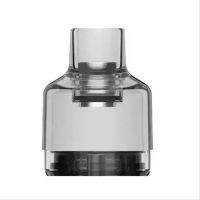
Pod Parts (18)
View Sub-Category
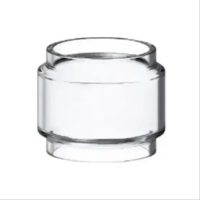
Replacement Glass (19)
View Sub-CategoryPARTS
Choosing a beginner vape kit
Vape Starter Kits, in Minnesota and Beyond
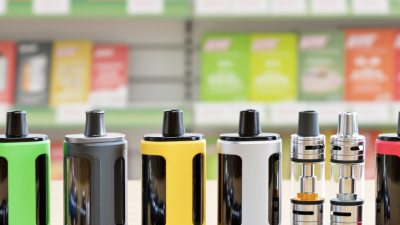
The best eCig, Box Mods and Vape Starter kits are just around the corner, or a short ship time away. If you are looking to purchase the best beginner vape kit for your dollar.Things often included in beginner vape kits, you might want to watch for.
- Battery, or multiple batteries.
- Clearomizer tanks
- Replacement Coils
- USB Charging Cable
- AC Power Adapter
- Free bottle of juice, or multiple
- Blunt Needle tips
The key is to find the right balance between value and price.
Of course you don't want to skimp, and have to re-buy a kit, but you do always have the opportunity to buy a more premium kit if you find you've graduated from past vape set-up. Things to think about as you choose, are whether the system will work other systems. - Some threading is specific to the brand and won't work with other devices, when you're looking at reviews check the source and make sure to weigh several reviews against each other and make an educated decision. Thanks for making Ecig Market your choice for Beginner Vape Kits in Brooklyn Center, Minnesota.What Is the Best Liquid Shop for Global Buyers?
Choosing the best liquid shop is not simply about finding the lowest advertised price. Global buyers need reliable manifests, clear product photos, accurate condition grades, and realistic shipping estimates. A professional liquidator should explain whether inventory is new, overstock, customer-returned, refurbished, or untested. That detail changes the buyer’s risk.
Howard Rosenberg, founder of B-Stock Solutions, is a recognized specialist in liquidation marketplaces. He has stated, “Transparency is the foundation of every successful liquidation transaction.” This principle matters when comparing suppliers across borders. Buyers should check company registration, warehouse addresses, payment protection, export documentation, and customer feedback. They should also request a sample manifest before placing a large order. Small checks prevent expensive surprises.
The best liquid shop may not offer the biggest catalog. It may offer the clearest information. A reliable supplier should disclose pallet dimensions, estimated weights, handling fees, and delivery terms. It should also explain how disputes are handled when quantities or conditions differ. These practical details reveal experience.
Still, no marketplace is perfect. Product descriptions can be incomplete. Shipping costs can change. Some buyers may overestimate resale demand. That is easy to forget. A careful comparison should include landed cost, not only purchase price. It should also consider local taxes, safety requirements, warranty expectations, and customer preferences. This guide examines those factors, while recognizing an uncomfortable truth: the “best” choice depends on the buyer’s market, budget, storage capacity, and tolerance for uncertainty.

Defining a Liquid Shop and Its Role in Global Trade
A liquid shop is a specialized supplier of lawful liquid products for commercial or consumer use. These products may include food ingredients, cosmetics, cleaning solutions, or industrial fluids. The term is not fully standardized. That matters.
A reliable liquid shop connects product selection with global trade requirements. It should provide clear specifications, safety data sheets, certificates of analysis, batch numbers, and suitable packaging. Buyers also need accurate customs descriptions and transport guidance. According to UNCTAD’s Review of Maritime Transport 2023, more than 80% of global merchandise trade by volume moves by sea. Liquid suppliers must therefore plan for leakage prevention, temperature changes, and long transit times. Packaging is part of the product.
The World Bank’s Logistics Performance Index 2023 evaluates customs, infrastructure, tracking, and delivery timeliness. These factors help buyers compare suppliers beyond price. A low-cost shipment can become expensive after delays, damaged drums, or unclear documents. In practice, many purchasing teams still focus too heavily on the storefront. That is an imperfect habit.
Tips: Request a recent certificate of analysis and safety data sheet. Confirm batch consistency before ordering large volumes. Check container seals, pallet protection, and temperature requirements. Ask who manages export documentation. Review local import rules before payment. Small details often decide whether a liquid shipment arrives ready for use.
Key Criteria for Comparing Liquid Shops
What Is the Best Liquid Shop for Global Buyers?
Key Criteria for Comparing Liquid Shops
A dependable liquid shop makes product details easy to check. Look for clear ingredient lists, batch information, storage guidance, and realistic descriptions. If a listing only says “premium quality,” that tells you very little. Ask whether the liquid is sealed properly and how its condition is protected during shipping. Small details matter.
Compare shipping options, delivery estimates, and customer support before placing an order. A useful shop explains which destinations it serves and what happens if a parcel is delayed or arrives damaged. Check payment security and read recent, specific customer feedback; repeated comments about leaking bottles deserve attention. Reviews can be biased, though, so they are clues, not proof.
Good service should feel consistent. Send a simple question about storage or product specifications and see whether the reply is precise. No clear answer? Pause. I would also compare total costs, including shipping and possible fees, rather than focusing on the displayed price. Even careful comparisons have limits: stock changes, delivery conditions vary, and polished websites can still leave important questions unanswered.
Product Range, Quality Standards, and Supplier Verification
A dependable liquid supplier should offer more than a long catalogue. Buyers may need different grades, container sizes, and packaging options, but range matters only when specifications are clear. Ask for product data sheets, batch numbers, storage temperatures, and shelf-life details. A sample can reveal issues a polished catalogue cannot: a leaking cap, unclear labeling, or inconsistent viscosity. Small details matter.
Quality claims need evidence. The International Organization for Standardization’s ISO Survey recorded more than 1.26 million valid ISO 9001 certificates worldwide in 2022. Certification can indicate a documented quality system, but it does not prove that every product meets your requirements. Request current certificates, test reports, and traceable batch records, then check that the issuing organization and certificate scope are relevant. It takes time. And it is worth it.
Supplier verification should also cover delivery performance and communication. The World Bank’s 2023 Logistics Performance Index assessed 139 economies, highlighting how logistics conditions vary across markets. Ask suppliers for realistic lead times, export documentation, and a named contact for quality issues. Verify the registered business details independently, and compare answers across documents. No check is perfect; even careful buyers can miss a detail. A written checklist helps keep the decision consistent.
What Is the Best Liquid Shop for Global Buyers? - Product Range, Quality Standards, and Supplier Verification
| Evaluation dimension | What a capable supplier should provide | Evidence to request | Buyer verification |
|---|---|---|---|
| Product range | A clearly defined catalogue of liquid products, available grades, concentrations, pack sizes, and customization options. | Current product catalogue, technical data sheets, and written confirmation of available specifications. | Match the exact product grade and specification to the intended application and destination-market requirements. |
| Product specifications | Defined, measurable parameters relevant to the product, such as composition, concentration, pH, viscosity, or density where applicable. | Product specification sheet and a batch-specific certificate of analysis (COA). | Compare the COA with the agreed specification and confirm test methods, units, and acceptance limits. |
| Quality management | Documented controls for production, inspection, corrective actions, and management of nonconforming products. | Quality-management certificate, its scope and validity dates, plus an outline of inspection procedures. | Check the certificate with the issuing certification body and confirm that its scope covers the relevant site and activity. |
| Safety and handling | Product-specific hazard, storage, handling, and emergency information appropriate to the product and applicable rules. | Current safety data sheet (SDS) and handling or storage instructions. | Confirm the SDS describes the supplied product and review local requirements for classification, labeling, and import. |
| Sector-specific standards | Relevant controls for the product’s intended sector; requirements differ for food, cosmetics, pharmaceuticals, chemicals, and other uses. | Applicable certificates, declarations, test reports, and product-specific compliance documentation. | Verify that documents apply to the exact product, facility, and intended market; do not assume one certificate covers every product. |
| Traceability | A way to identify production lots and link delivered goods to batch records and relevant quality documents. | Sample lot code, batch-record process, and a COA showing the corresponding batch or lot identifier. | Check that the identifiers on product labels, shipping documents, and quality records are consistent. |
| Packaging and transport | Packaging compatible with the liquid, suitable for the shipping route, and clearly identified with handling information. | Packaging specifications, label samples, and transport or storage conditions where relevant. | Confirm container compatibility, closure integrity, labeling, and any applicable transport rules before shipment. |
| Supplier identity | A verifiable legal entity with a consistent business address and clear identification of whether it is a manufacturer, distributor, or agent. | Business registration details, facility information, and written confirmation of the supplier’s role in the supply chain. | Check records with the relevant official registry and ensure the contracting and payment entities are consistent. |
| Samples and pre-shipment checks | A practical process for evaluating samples and confirming agreed product requirements before full-scale shipment. | Sample identification, test results where applicable, and written inspection or acceptance criteria. | Test representative samples against the purchase specification; consider independent inspection for higher-risk orders. |
| Export and communication | Clear lead times, order terms, export-document support, and responsive handling of technical and logistics questions. | Written quotation, proposed delivery schedule, sample shipping-document list, and named contact for order coordination. | Confirm Incoterms, payment terms, import responsibilities, and required documents with the relevant logistics and customs advisers. |
Note: Certification, testing, labeling, and import requirements depend on the product, its intended use, and the destination market. Verify current requirements before placing an order.
Pricing, Shipping, and Compliance for International Orders
For global buyers, the best liquid shop is not always the one with the lowest listed price. Reliable international purchasing starts with a clear landed-cost estimate. Ask for the unit price, taxes, handling fees, and payment charges separately. In my experience, unclear quotations create more trouble than moderate price differences. A small sample order can reveal packaging quality, response speed, and unexpected costs. Keep invoices and product specifications together. They matter when questions arise.
Shipping needs equal attention. Confirm whether liquids require special containers, leak protection, temperature control, or limited transport routes. A professional seller should explain dispatch timing, tracking, insurance, and delivery exceptions before payment. Buyers should check import rules in the destination country and provide accurate recipient details. Documentation may include safety information, ingredient lists, origin records, or customs descriptions. Requirements vary. Guessing is risky. Even experienced buyers can miss a local rule after regulations change.
Tips:
Compare three written quotes using the same quantity and delivery terms. Request photos of sealed cartons and labels before shipment. Avoid sellers who promise impossible delivery times or discourage compliance checks. Use a payment method with documented protection. Leave room for error in the budget. Customs delays and repacking fees are easy to underestimate. Online reviews help, but direct evidence is better.
How Global Buyers Can Choose the Right Liquid Shop
A good liquid shop is not simply the one with the lowest price or the largest catalogue. Global buyers should check whether its products fit their market, industry, and handling requirements. Ask for clear specifications, such as ingredients or material grade, viscosity, packaging size, and storage conditions. A sample can reveal details that a product sheet misses. Check it carefully.
Reliable documentation matters. Look for current safety and quality documents relevant to the product, and confirm that the seller can provide consistent batch information. Ask how containers are sealed, labeled, and protected from leaks during transport. A neat product page is useful, but it is not proof of careful handling. That distinction is easy to overlook.
Shipping deserves close attention. Compare delivery estimates, minimum order quantities, export paperwork support, and the seller’s process for damaged or delayed shipments. Ask for costs in writing, including packaging and freight, before placing a large order. If possible, start with a modest purchase and assess communication, packaging, and product consistency. This takes extra time. Still, it may prevent a costly surprise. No supplier is perfect, and a delayed reply or unclear document can be a warning worth investigating. Choose a liquid shop that answers specific questions plainly and can explain its limits, not one that promises everything.
What Is the Best Liquid Shop for Global Buyers?
Compare shops using the same practical criteria. The chart shows an illustrative example score, not market research; rate each shop from 1 (poor) to 5 (excellent) using its published policies and documentation.
Before ordering, verify product specifications and safety documentation, confirm delivery to your country, check total shipping costs and payment protections, and review the shop’s support and returns policies.
Related Posts
-
What Is a Liquid Shop and How Does It Work?
-
Top 10 Types of Liquid Shop Products to Buy Online?
-

How to Choose the Best Liquids for Your Online Shop in 2023
-

2026 Best Options for Ecigs That You Should Consider?
-
10 Tips for Optimizing Your Liquid Shop for Better Sales Conversion?
-
What Is Vaping in the United States Market?