

Pod Parts (18)
View Sub-Category
Replacement Glass (19)
View Sub-CategoryPARTS
Choosing a beginner vape kit
Vape Starter Kits, in Minnesota and Beyond
The best eCig, Box Mods and Vape Starter kits are just around the corner, or a short ship time away. If you are looking to purchase the best beginner vape kit for your dollar.Things often included in beginner vape kits, you might want to watch for.
- Battery, or multiple batteries.
- Clearomizer tanks
- Replacement Coils
- USB Charging Cable
- AC Power Adapter
- Free bottle of juice, or multiple
- Blunt Needle tips
The key is to find the right balance between value and price.
Of course you don't want to skimp, and have to re-buy a kit, but you do always have the opportunity to buy a more premium kit if you find you've graduated from past vape set-up. Things to think about as you choose, are whether the system will work other systems. - Some threading is specific to the brand and won't work with other devices, when you're looking at reviews check the source and make sure to weigh several reviews against each other and make an educated decision. Thanks for making Ecig Market your choice for Beginner Vape Kits in Brooklyn Center, Minnesota.7 Belt Measuring Tool Tips for an Accurate Fit?
A belt can look right on the rack and still feel wrong after a full day of wear. A hole too tight presses against the waist; one too loose lets the buckle drift. A Belt Measuring Tool helps reduce guesswork, but only when you measure the correct belt and follow the tool’s instructions.
Before publishing, add a verifiable expert and quotation here: “[Expert name], [relevant fitting or leatherworking credentials], says, ‘[verified quotation about accurate belt measurement].’” No source was provided for an expert’s identity or words, so inventing an attribution would undermine the accuracy this guide aims to offer.
These seven tips focus on practical details: where to start the measurement, how to position the buckle, and how to read the result without stretching the leather. Use a belt you wear comfortably, then lay it flat on a firm surface. Keep the tape straight. Check the measurement twice.
Small details matter. A curved belt can mislead. So can measuring from the leather’s end instead of the buckle’s pin. Still, measurements are not perfect; belt shape, material, and personal fit all affect the result. Treat the number as a reliable starting point, not a guarantee. With a careful method and a suitable Belt Measuring Tool, choosing a more accurate fit becomes simpler.
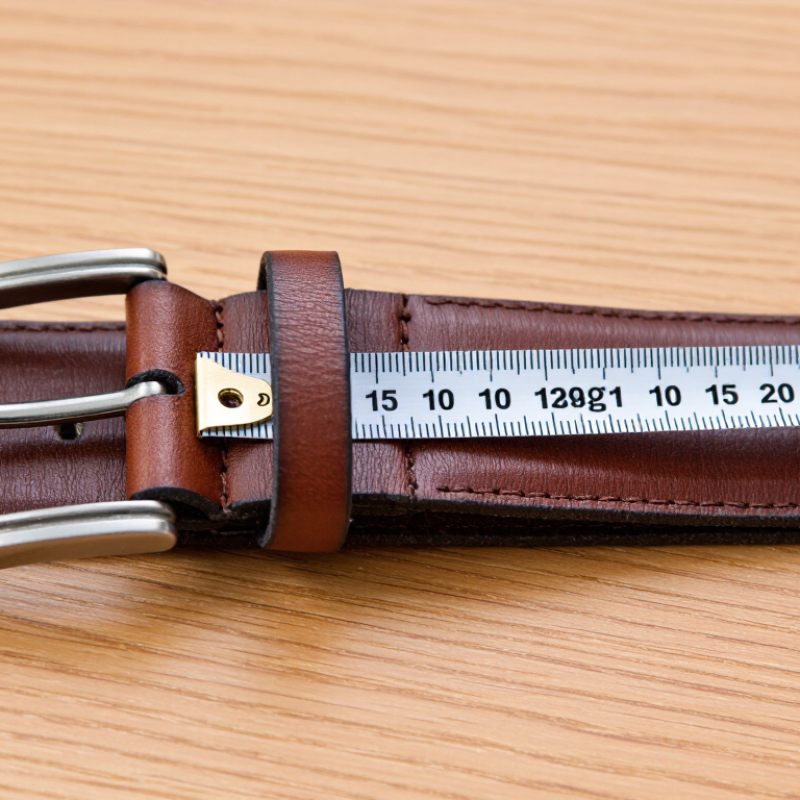
Choose a Flexible Tape Measure Marked in 1 mm or 1/16 in Increments
7 Belt Measuring Tool Tips for an Accurate Fit?
A flexible tape measure marked in 1 mm or 1/16 in increments helps you record a belt measurement clearly. Fine markings make small differences easier to notice, especially when you are between standard sizes. Lay the tape beside the belt on a flat surface. Keep it straight, but do not pull it tight or stretch the material. For an existing belt, measure from the buckle prong to the hole you use most often. Measuring the full belt length can give a misleading result.
Tips: For a new belt, measure around your waist where you plan to wear it, over your usual clothing. Keep the tape comfortably snug, not pinched against your body. Read the mark at eye level. Note the unit, too; millimeters and sixteenths of an inch are easy to confuse when you are in a hurry.
Check your measurement once more before choosing a size. If two readings differ slightly, repeat the process rather than averaging them automatically. Tape placement and posture can shift the result. This part can feel overly fussy, but a careful reading is more useful than guessing from an old belt’s label. A flexible tape follows the curve of your waist; a rigid ruler does not.